
Table of contents: Seven Hours of Solar: Inside California’s 2025 Clean Energy Milestone
By: Nichole Fandino
The transition toward California clean energy has reached a historic tipping point. On most days in 2025, the state’s electric grid runs entirely on clean energy for an average of seven hours. Not long ago, this would have seemed unthinkable. Today, it’s evidence of a transformation that impacts every business, community, and policymaker in the state.
Setting the Stage: SB 100’s Bold California Clean Energy Targets
In 2018, California passed Senate Bill 100 (SB 100). This is one of the most ambitious California clean energy laws globally. It requires 100% of retail electricity to come from carbon-free sources by 2045. It also sets an interim target of 60% renewable electricity by 2030. Unlike vague pledges, SB 100 carries the force of law.
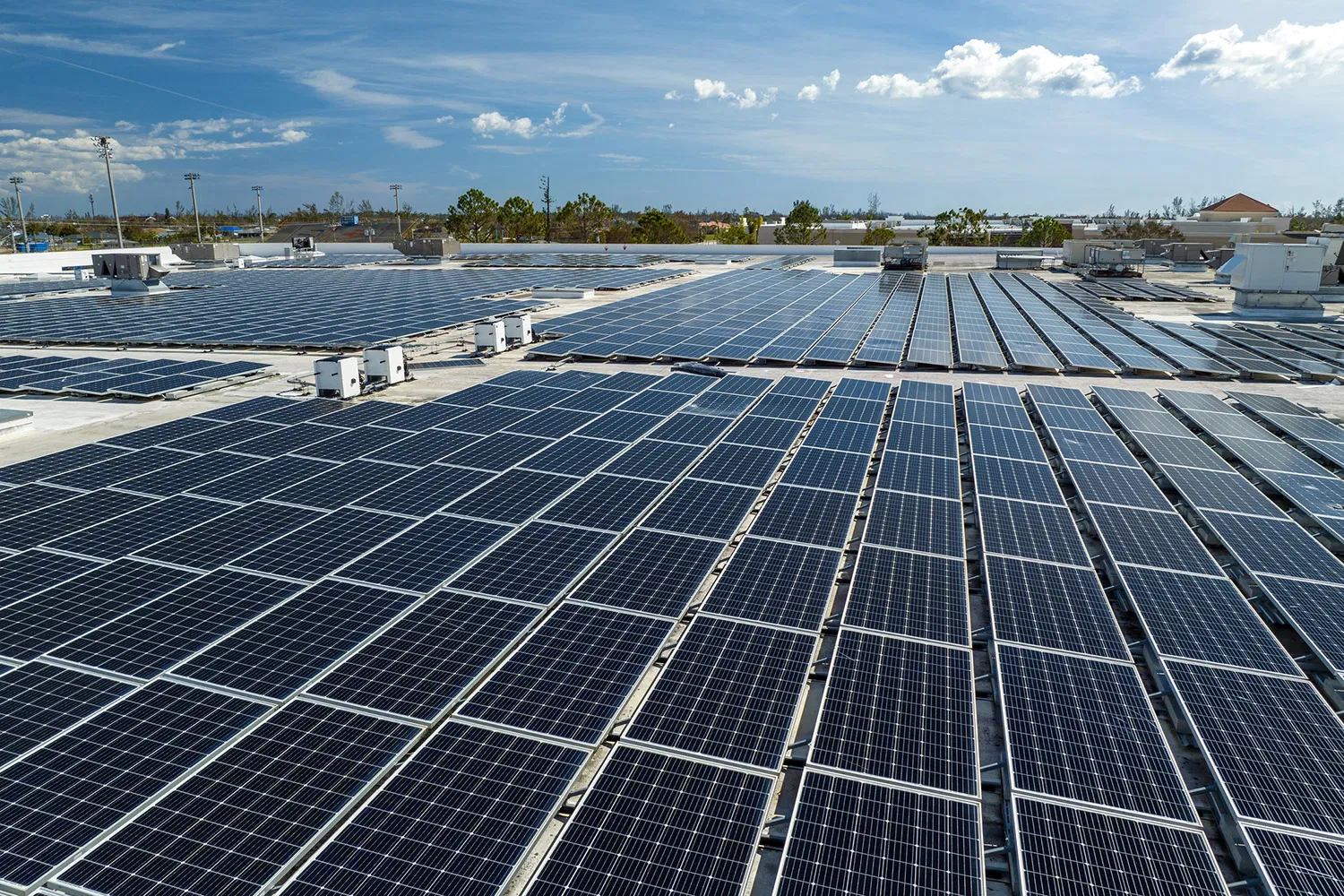
Progress is accelerating. By 2023, zero-carbon sources supplied 67% of retail electricity sales. California is now a global leader, with 47,000 megawatts of solar capacity. This is enough to power roughly 14 million homes. According to data from the California ISO, the state’s energy storage fleet is now vital for grid stability during peak demand.
Related: Environmental Rollbacks in California and the Federal Landscape: Challenges and Resilience
The Road to 2045: California Clean Energy Milestones
The progress shows that the California clean energy transition is technically feasible. Milestones once considered rare are now routine. In 2022, the grid briefly hit 100% renewables for the first time. By mid-2025, this occurs daily for several hours. This trajectory proves that a grid once reliant on fossil fuels can make clean energy the new norm.
Challenges on the Horizon: The “Duck Curve” and Beyond
Integrating California clean energy into the grid remains a technical hurdle. The “duck curve” represents the mismatch between midday solar abundance and evening demand. To solve this, California needs more battery storage and better transmission. Land use and permitting also present obstacles. Many solar and wind sites are in remote areas. This requires new transmission lines that often face environmental review delays. For more on national renewable standards, see the EPA’s guidance on energy targets.
Implications of California Clean Energy for Businesses
The shift to a California clean energy economy touches every sector. Large energy users must plan for changing costs and new compliance duties. However, grid modernization also offers growth for construction and technology firms. Communities benefit from cleaner air and new jobs. SB 100 also focuses on environmental justice. It ensures that disadvantaged communities benefit from the transition rather than bearing new burdens.
Related: Dune, But Not the Movie
Federal Headwinds and California Clean Energy
Despite local momentum, federal policy remains a variable. Proposed cuts to federal clean energy grants and tax incentives could create obstacles. While these don’t change SB 100’s legal mandates, they may increase developer costs. California has responded by defending its authority in court and advancing state-level incentives. The loss of federal support simply raises the stakes for state stakeholders.
A Model for Others—and a Call to Engagement
The California clean energy model is watched worldwide. It proves that ambitious policy delivers results when paired with innovation. However, progress is fragile. Businesses and policymakers must stay engaged. Those who invest early in storage and compliance will be best positioned to thrive in the decades ahead.
About Us
The Law Office of Jennifer F. Novak Environmental Law represents property owners in litigation and regulatory matters. Our practice focuses on soil remediation, Clean Water Act suits, and Water Board orders. We provide strategic counsel to navigate complex regulations while ensuring fairness.
For dedicated legal representation in environmental litigation, contact The Law Office of Jennifer F. Novak Environmental Law.