
Table of contents: California Wildfires: History, Causes, and Prevention
By: Jennifer F. Novak
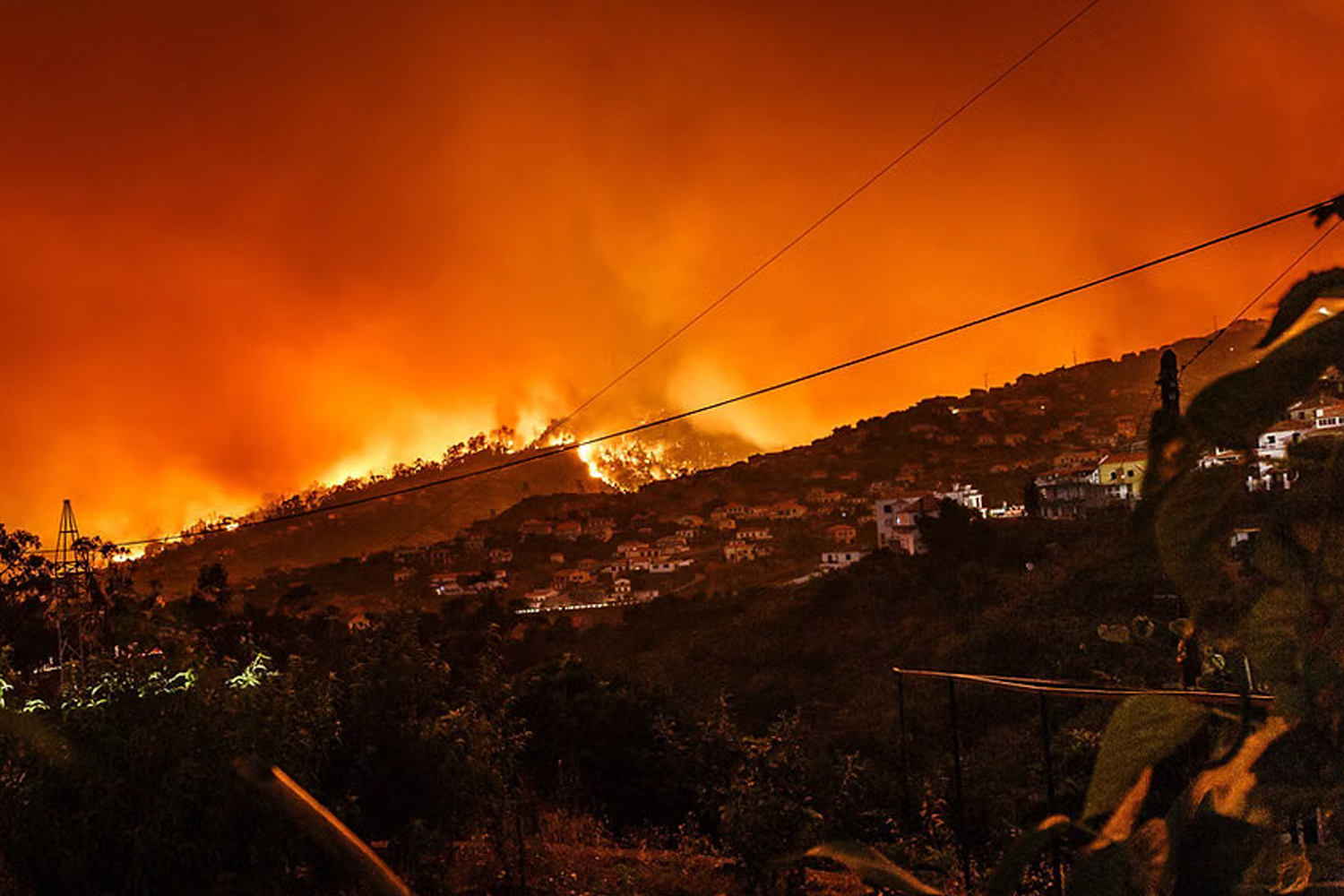
Headlines about the primary California wildfire causes and their devastation continue to dominate our newsfeeds. Furthermore, the entire West Coast faces similar threats. Specifically, California has experienced over 8,300 wildfires this year alone. Consequently, these fires have burned more than four million acres. In fact, they even caused the state’s first million-acre megafire.
Of course, wildfires in this region are nothing new. Indeed, they play a vital role in a healthy ecosystem. However, today’s fires are larger and spread much faster than ever before. Therefore, we must look back at history to fully understand the root California wildfire causes driving today’s crisis.
A Brief History of California Wildfires
The entire California ecosystem evolved with fire. As a result, it naturally adapts and recovers from burning. Indigenous people originally used fire and ecological principles to keep the land healthy. Specifically, they understood the benefits of prescriptive burning during cooler, less windy months. Consequently, this practice rejuvenated forested areas. Additionally, it cleared the forest floor of dead plant material. Otherwise, this dried brush could ignite quickly and burn longer.
Unfortunately, early governments punished indigenous tribes for these practices. The government stopped prescriptive burning entirely. Instead, officials vowed to extinguish any fire in the state’s forests. Ultimately, fire suppression became the new strict rule. Thankfully, that perspective has recently changed. State agencies now work alongside Native American tribes and the Forest Service to achieve better ecological results.
Related: CA 2026 Environmental Laws: A Guide for Manufacturers
What Are the Main California Wildfire Causes Today?
Expert opinions vary on the origins of these massive blazes. However, experts most often cite five main California wildfire causes for the current destruction:
- Climate Change: This August was California’s hottest month on record. Rising temperatures, longer summers, and severe droughts create hotter, drier forests. Consequently, these conditions make forests much more prone to burning. We also see less overnight humidity to contain fire spread. Furthermore, drier conditions weaken trees. Bark beetles and diseases easily infest these vulnerable trees. Normally, a healthy forest keeps these pest populations in check. However, when the ecosystem loses balance, these pests kill the trees. Ultimately, dead trees provide more fuel for blazes.
- Forest Management: Without consistent tree thinning, dense tree populations strangle smaller plants. Specifically, this happens especially during droughts. Furthermore, without controlled burns, dead branches and dried leaves stack up on forest floors. As a result, this debris serves as massive fuel loads.
- Lightning Strikes: This past August, California endured over 12,000 lightning strikes in just one week. Moreover, high winds accompanied many of these “dry lightning” strikes. Little to no rain fell during these storms. Unfortunately, climate change increases the frequency and intensity of these natural events. Consequently, the fires they start become much more intense.
- Human Carelessness and Arson: For instance, reckless campers often leave campfires unattended. Similarly, careless smokers throw lit cigarettes out of car windows. Moreover, arsonists intentionally start blazes every year. In fact, police arrested 72 people for arson in California during 2020 alone.
- Urban Sprawl: An ongoing housing crisis pushes people away from cities. Consequently, people seek affordable housing in more fire-prone areas. Therefore, this urban sprawl literally adds fuel to the fire. Additionally, new suburban communities require additional power lines. Ultimately, high winds can knock down these power lines and ignite devastating infernos.
Can We Prevent California Wildfires?
History proves that fire remains a necessary part of a forest’s life-cycle. Undoubtedly, we must prevent human carelessness and arson. However, we must also ask how we can better control naturally occurring blazes.
The Role of Forest Management
Importantly, proper forest management helps mitigate the impacts of climate change. For instance, we can compare the fire-prone Sierra Nevada range to Baja California, Mexico. Although both regions share similar climates, Mexico maintains a healthy, fire-resistant environment. Ultimately, why does this difference exist? Primarily, Mexico generally allows nature to manage itself. Consequently, the pristine Baja range shows what the Sierra Nevada forests could look like today. Unfortunately, decades of heavy logging and strict fire suppression regulations ruined California’s natural balance. In response, researchers at U.C. Berkeley studied this issue. Eventually, they determined the Baja forest ecosystem resists drought, insects, and disease much better.
Related: Ability to Pay in CA Environmental Enforcement Cases
Four Solutions for the Future
The Public Policy Institute of California suggests several ways to combat our worsening crisis. Their top four solutions include:
- Set prescribed fires to improve forest resilience and reduce overall fire severity.
- Additionally, enact policies requiring new construction projects to use fire-resistant materials. Builders should also replace existing exteriors with fire-resistant options.
- Furthermore, create community fuel breaks in residential areas. Neighborhoods must remove flammable materials to design safe working areas for firefighters.
- Finally, use the Baja forest ecosystem as a natural guide. This model can help return our forests to healthy conditions and prepare them for climate change.
Taking Personal Responsibility for California Wildfire Causes
Admittedly, we have no easy solution to this massive puzzle. Nevertheless, we can take immediate steps to address the devastation and prevent man-made California wildfire causes. First, homeowners must keep their property clear of brush and combustible materials. Second, everyone must handle recreational fires and smoking devices with extreme care. Finally, state agencies must implement better forest management practices to limit fire spread.
About Us
The Law Office of Jennifer F. Novak provides strategic environmental law representation for property owners and businesses. We specialize in environmental litigation and regulatory compliance, focusing on soil and groundwater remediation, Clean Water Act citizen suits, and Water Board orders (Sections 13304 & 13267). We protect your interests by navigating complex regulations and ensuring fair enforcement.
Contact us today for dedicated environmental legal counsel.