Table of contents: The Role of Citizen Science in Environmental Law
By: Jennifer F. Novak
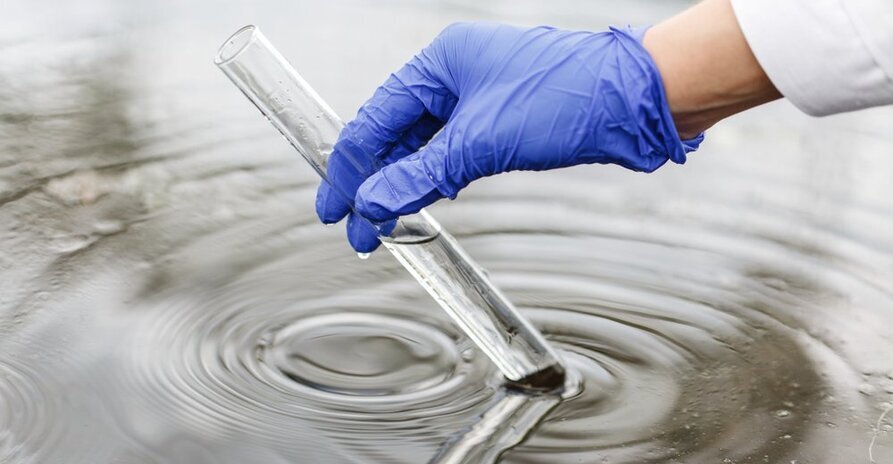
Practicing environmental law provides me with great satisfaction and rewards; however, it’s also often mentally draining and stressful. Therefore, from time to time, I take myself out of the world of legal briefs, courtrooms, and evidentiary objections and serve instead as an environmental citizen scientist.
What is an Environmental Citizen Scientist?
Specifically, citizen scientists are concerned and interested members of the public who voluntarily assist scientists, researchers, and resource managers by conducting surveys, collecting data, and reporting observations. Furthermore, we are everyday folks of all ages, from all walks of life and backgrounds. What we have in common is a drive to work with the environment in a way that matters. As a result, an environmental citizen scientist serves as the eyes and ears for ecological organizations with data-driven information. Consequently, our efforts enable the organizations to know how resources are used and treated by the public, and how those activities impact ecosystems and their residents.
Related: Sea Level Rise Adaptation: Coastal Property Rights vs. Managed Retreat
Volunteering with Heal the Bay
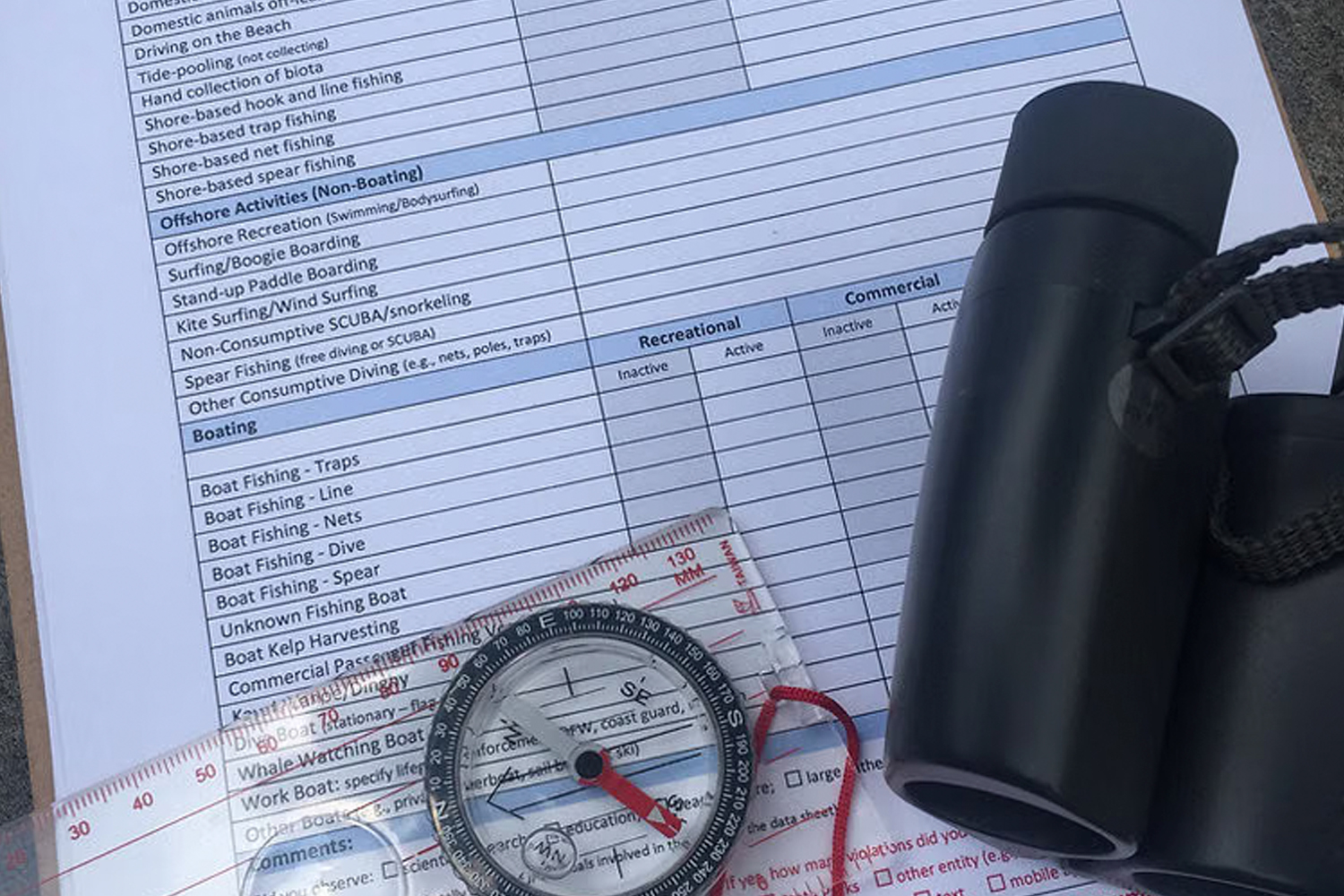
For instance, as an environmental citizen scientist volunteer for Heal the Bay, I travel to Marine Protected Areas (MPAs) off Southern California’s coast to observe how people use its shoreline and coastal waters. MPAs are areas that the United States government has designated as worthy of special attention and protection. Additionally, these areas are governed by different conservation and management systems and include a wide array of ecosystems and habitats.
In fact, in some cases, they may even include areas linked to lakes and tidal zones. While it doesn’t take much to learn how to make observations and record the results, this work yields vital data to assist with policymaking, resources management, and regulations enforcement. For me, it’s also a great excuse to get outside and onto the beach occasionally.
Opportunities Beyond the Beach
Moreover, for those who don’t care for working around bodies of water, but still love nature and the environment, there are other organizations who need them. For example, the California Science Center uses volunteers to count squirrels in Southern California or document plants in Los Angeles.
Similarly, the California Academy of Sciences has an app for their naturalists to log their observations of plants and animals, wherever they are located. In addition, our local land conservancy relies upon citizen scientists to track birds, coyotes, and foxes to measure the health of the ecosystem and their habitat.
Related: California’s Race to 100% Clean Energy: From Ambition to Action
A Win-Win for Everyone
Ultimately, whether it’s walking along a beach, hiking through a forest, or even strolling in an urban area, there’s an organization that needs citizen scientists to document and report on what they observe while enjoying the outdoors.
In conclusion, volunteering as an environmental citizen scientist allows people to make a valuable and measurable difference for our environment, all while getting outside and getting a little fresh air and exercise—a true “win-win” for us all.
– Jennifer
About Us
The Law Office of Jennifer F. Novak provides strategic environmental law representation for property owners and businesses. We specialize in environmental litigation and regulatory compliance, focusing on soil and groundwater remediation, Clean Water Act citizen suits, and Water Board orders (Sections 13304 & 13267). We protect your interests by navigating complex regulations and ensuring fair enforcement.
Contact us today for dedicated environmental legal counsel.