
Table of contents: The Los Angeles CII Permit Explained
By: Tracie Groh & Jennifer Novak
Are you worried about changing stormwater rules? You are not alone. Specifically, the Los Angeles CII permit affects many local property owners. Consequently, this regulation brings strict requirements and high costs. We want to help you understand what this means for your business moving forward.
Who Should Care About the Los Angeles CII Permit?
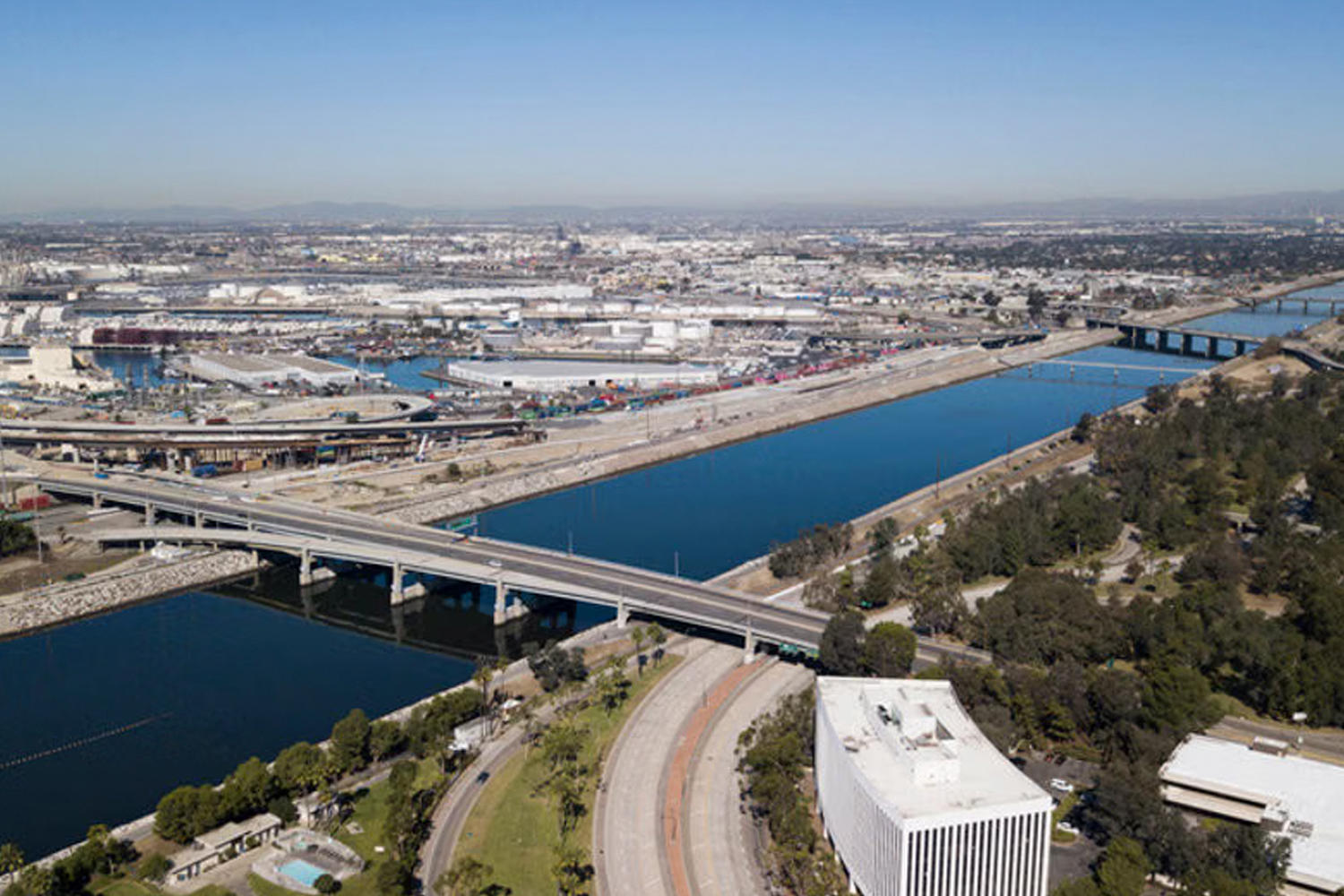
Everyone should pay attention. Initially, the Los Angeles CII permit mainly targets large properties right now. Specifically, these sit within the Dominguez Channel, Greater Los Angeles Harbor, and Los Cerritos Channel areas.
Furthermore, this covers a huge region, stretching all the way from Inglewood to San Pedro. As a result, the EPA has already flagged hundreds of parcels that need the permit immediately.
For instance, the rule affects private owners in those areas with:
- More than five acres of paved surfaces.
- Unpermitted industrial facilities covering five or more acres.
- Facilities with a No Exposure Certificate over five acres.
- Facility portions excluded from a Notice of Non-Applicability.
Previously, many of these properties were exempt; however, they must comply now. This includes retail stores, offices, warehouses, schools, and hospitals. Eventually, officials will use this permit as a model for much smaller properties.
Why Care If You Already Have A Permit?
Moreover, the new permit demands much more than the current industrial permit. For example, it offers fewer compliance options. Additionally, it entirely removes the chance to prove your site does not pollute.
Because the permit is so strict, you cannot avoid it easily. Did you exclude parking lots from your old permit? Consequently, those areas now need coverage. Therefore, you must choose between managing two separate permits or moving everything under the new one.
Related: Environmental Compliance: How to Avoid Accidental Pollution Violations
Do We Really Need Another Stormwater Rule?
Yes, officials argue we do. Unfortunately, local waters suffer from heavy zinc and copper pollution. While some experts debate the local data, permit supporters remain firm.
Furthermore, they claim stormwater run-off from roofs and parking lots drives this pollution. They argue that run-off from schools and factories causes the exact same harm. Thus, they want to regulate all sources equally under the Los Angeles CII permit.
Why You Must Prepare Now
Ultimately, you will have very little time to choose a compliance plan once regulated. To choose wisely, you need strong data about your property. Specifically, you must collect this data during at least one rainy season.
Therefore, you cannot delay your preparations. For instance, future winters might lack the rain you need for proper testing. Getting a head start ensures you avoid harsh penalties later.
What Can You Do Next?
First, you need to figure out if your property falls into this initially permitted group. If it does, you must plan your next steps carefully. Start by reviewing your current paved areas and industrial activities.
Do you have questions about your property status? Fortunately, we can help you navigate these complex rules. Additionally, we can connect you with our trusted environmental consultants to test your site.
About Us
The Law Office of Jennifer F. Novak provides strategic environmental law representation for property owners and businesses. We specialize in environmental litigation and regulatory compliance, focusing on soil and groundwater remediation, Clean Water Act citizen suits, and Water Board orders (Sections 13304 & 13267). We protect your interests by navigating complex regulations and ensuring fair enforcement.
Contact us today for dedicated environmental legal counsel.