
Table of contents: Dune, But Not the Movie
By: Megan Meadows
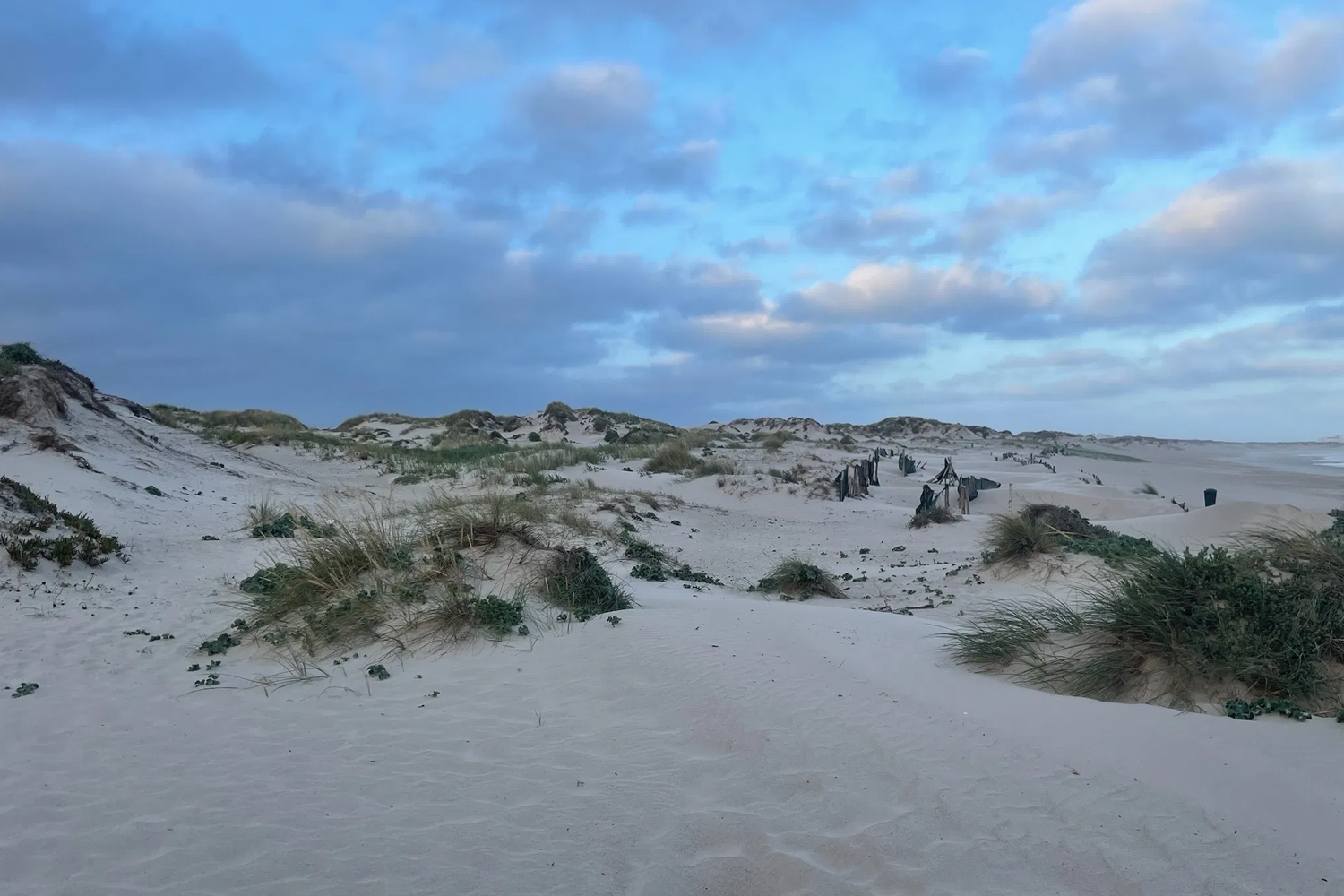
Protecting coastal sand dunes is essential for maintaining the stability of our shorelines. Furthermore, travel offers a fresh perspective on how other countries interact with these natural resources. As an environmental lawyer, I’ve learned it’s nearly impossible to turn that part of my brain off. Consequently, while exploring Portugal’s coastlines, I was struck by the beauty of its beaches and the coastal sand dunes that protect them. Portugal treats these natural defenses with a level of legal seriousness that we can certainly learn from in the United States.
Specifically, this wasn’t just about good laws. It was also about enforcement and cultural expectations. Therefore, a shared commitment from the public is required to preserve what matters. This inspired my reflection on our own coastal policies.
Coastal Sand Dunes and the Rule of (Natural) Law
Coastal sand dunes are more than picturesque landscapes; they are critical ecosystems. For example, they protect inland areas from erosion, storm surges, and rising seas. By acting like natural levees, dunes effectively absorb the energy of waves during storms. As a result, they reduce property damage and save lives. According to the National Oceanic and Atmospheric Administration (NOAA), natural coastal features are often more resilient than man-made barriers.
In addition to safety, dunes lessen the need for expensive infrastructure like seawalls. Compared to artificial solutions, coastal sand dunes are cost-effective and self-sustaining if managed properly. Moreover, their shape and vegetation trap wind-blown sand to rebuild eroded shorelines. Plants like marram grass have deep roots that stabilize the area. Additionally, larger systems act as natural water sponges, which helps recharge coastal aquifers.
Related: California’s Race to 100% Clean Energy
How Portugal Protects Its Coastal Sand Dunes
Portugal’s protection of coastal sand dunes is a mix of national law and European Union directives. To achieve this, key elements include:
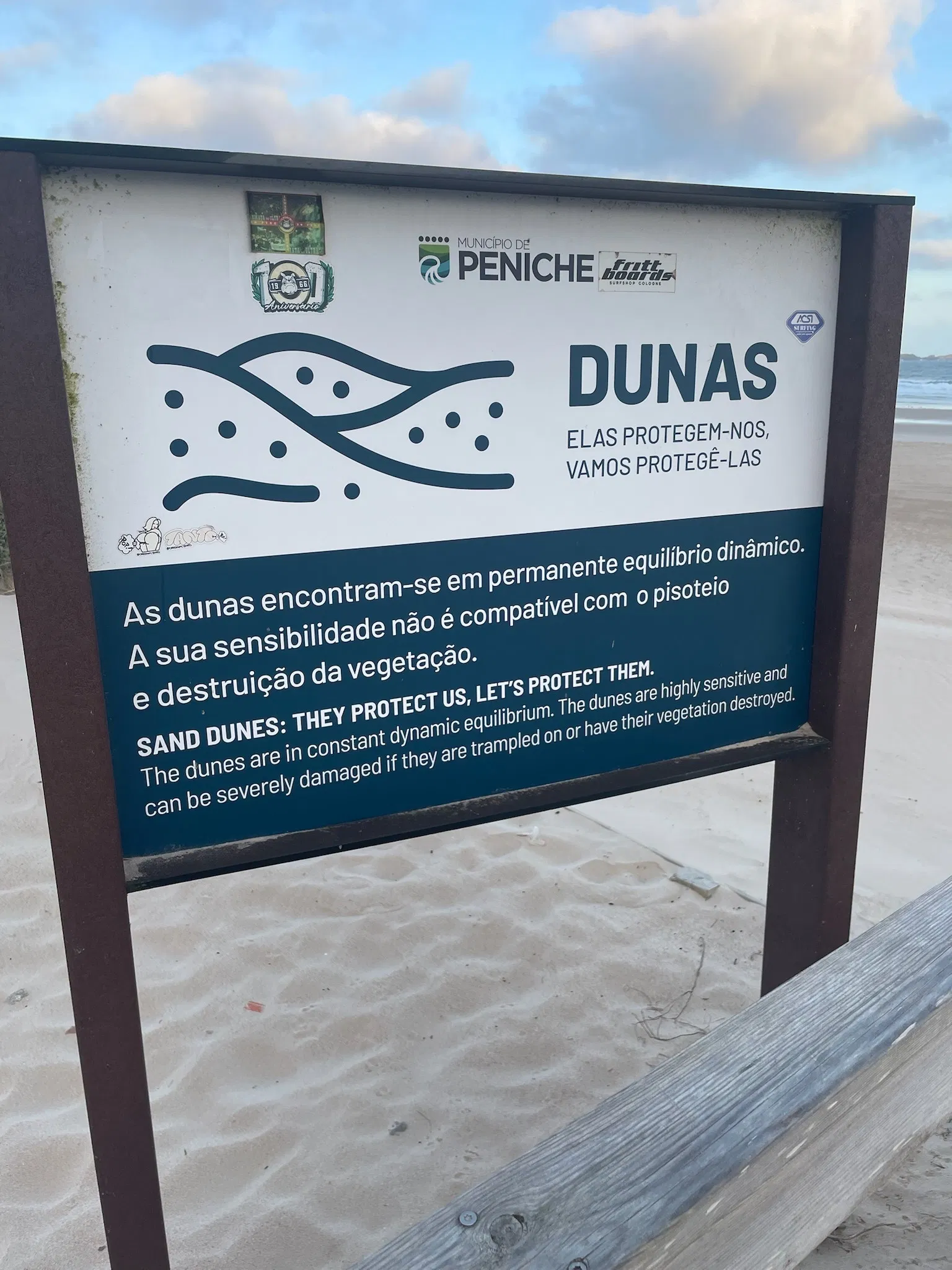
- Strict Access Controls: Elevated walkways keep foot traffic off sensitive vegetation.
- Active Management: Revegetation projects and dune fencing help dunes recover naturally.
- Public Education: Consequently, citizens learn early why coastal sand dunes matter.
- Legal Backing: For instance, robust monitoring and penalties are enforced by the national conservation agency (ICNF).
The U.S. Perspective on Coastal Sand Dunes
The United States also has protections for coastal sand dunes, but they vary widely. Federally, the Coastal Zone Management Act (CZMA) acknowledges their importance. However, enforcement remains a patchwork. For example:
- Some regions excel: Specifically, California’s Coastal Act requires preservation of sensitive habitats.
- Others lag behind: In contrast, many states still leave coastal sand dunes vulnerable to overdevelopment.
Related: The Delta Smelt and the Los Angeles Fires, Part One
Who Should Care? Everyone.
Ultimately, every country is tackling similar environmental problems. Nevertheless, how well coastal sand dunes are protected depends on how laws are lived by the community. Thus, consistent investment from citizens is the key to success.
About Us
The Law Office of Jennifer F. Novak Environmental Law represents property owners in litigation and regulatory matters. Our practice focuses on soil and groundwater remediation. Furthermore, we handle Clean Water Act citizen suits and Water Board orders. We provide strategic counsel to navigate complex environmental regulations effectively.
For dedicated legal representation, contact The Law Office of Jennifer F. Novak Environmental Law today.