El Niño in California: Environmental Legal Risks for Property Owners and Businesses
California property owners and businesses may face environmental risks when the rainy season arrives. Heavy rain can overwhelm stormwater controls, expose historic contamination, and carry pollutants beyond property boundaries. These conditions may lead to agency investigations, cleanup demands, or disputes over who must pay resulting costs.
Current forecasts make this a timely issue. In August 2026, the National Oceanic and Atmospheric Administration reported a greater than 90 percent chance of a very strong El Niño during fall and winter 2026–2027. El Niño does not guarantee extreme rainfall throughout California, but it increases the need for owners and businesses to prepare for changing weather conditions.
Heavy Rain Can Expose Stormwater Problems
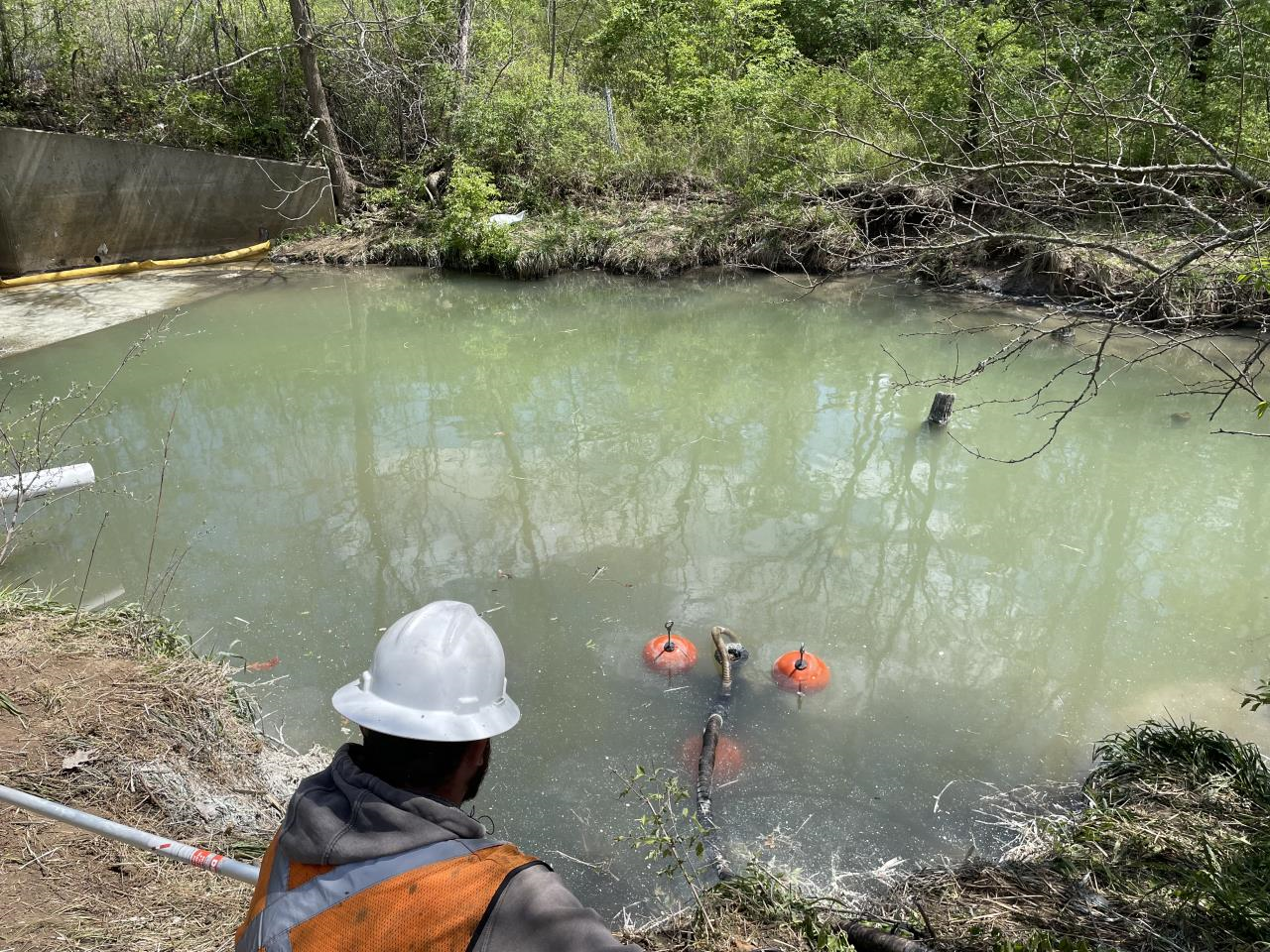
Stormwater can create legal exposure when it contacts pollutants on a property. Rainwater may flow across parking lots, loading areas, construction sites, equipment yards, and outdoor storage areas. As it moves, it can collect oil, chemicals, metals, sediment, waste, and other materials. That runoff may then enter streets, storm drains, waterways, neighboring properties, or the ground.
Businesses with industrial or construction activities may face additional compliance requirements. California’s stormwater programs may require permit coverage, inspections, monitoring, sampling, employee training, and pollution-prevention plans. Heavy rain can reveal blocked drains, inadequate containment, uncovered materials, or stormwater controls that do not work as intended. Those conditions may result in sampling exceedances, agency inspections, Notices of Violation, or Clean Water Act claims.
Rain May Affect Existing Contamination
Heavy rain can also change how existing contamination moves through the environment. Many California properties have histories involving dry cleaning, manufacturing, automotive repair, fuel storage, or waste handling. A current owner may not have caused the contamination or even know that it exists beneath pavement or buildings.
Increased runoff, erosion, and infiltration may cause contaminants to move from impacted areas. Rain may carry contaminated sediment into drainage systems or contribute to pollutants reaching neighboring property. Changing groundwater conditions may also affect where contamination appears during later testing. When these conditions attract regulatory attention, owners and businesses may need to investigate both current operations and historic property uses.
Regulatory Involvement Can Create Substantial Obligations
A storm-related release may lead regulators to request information about a property’s environmental conditions. California Water Code section 13267 authorizes Water Boards to require certain technical and monitoring reports. Section 13304 also authorizes cleanup and abatement orders when the legal requirements for such orders exist.
Regulatory obligations can become expensive before the parties resolve ultimate responsibility. An owner or business may need to retain consultants, conduct sampling, prepare reports, perform corrective work, and reimburse agency oversight costs. Early legal and technical guidance can help define the problem, identify responsible parties, and develop an appropriate response.
Several Parties May Share Responsibility
Environmental disputes often involve more than one potentially responsible party. A commercial property may include an owner, tenant, former operator, property manager, contractor, or neighboring business. These parties may disagree about who caused the condition, who controlled the affected area, and who should have maintained drainage or containment systems.
Contracts may allocate certain environmental responsibilities without eliminating regulatory exposure. For example, a lease may require a tenant to follow environmental laws and indemnify the owner. However, that language may not prevent an agency or third party from initially pursuing the owner. Property owners should understand both their contractual protections and their independent legal obligations.
Preparation Before the Rain Can Reduce Risk
A pre-storm environmental review can help owners and businesses identify vulnerabilities before rainfall creates evidence of a violation. The review should consider how water enters, crosses, and leaves the property. It should also examine storm drains, outdoor materials, waste areas, containment systems, and any locations with known contamination.
Owners and businesses should also review permits, stormwater plans, prior environmental reports, leases, and insurance requirements. Dated photographs, inspection records, maintenance logs, and employee training records may help establish pre-storm conditions. These materials can become important when regulators, neighbors, insurers, or contracting parties later disagree about what occurred.
A Timely Opportunity to Prepare
El Niño does not create environmental liability by itself. Instead, rain often reveals an existing problem, such as historic contamination, poor maintenance, inadequate storage, or incomplete compliance procedures. Once pollutants leave a property or regulators become involved, the resulting issues can become more difficult and expensive.
California property owners and businesses should use the forecast as an opportunity to evaluate environmental risks before the rainy season. Thoughtful preparation may prevent releases, strengthen compliance, and improve the owner’s position if a dispute develops.
The Law Office of Jennifer F. Novak advises California property owners and businesses concerning environmental compliance, contaminated properties, Water Board orders, Clean Water Act claims, and environmental litigation. Contact our office if you have questions about how increased rainfall may affect your property or operations.