
Environmental Compliance Strategies for California Development & Redevelopment
California makes development exciting—and challenging. Anyone working in commercial real estate, infill projects, adaptive reuse, or investment properties learns quickly that environmental issues often dictate what happens next. Before financing closes, before construction mobilizes, and sometimes before a project even earns its entitlements, environmental questions can determine your timeline, your budget, and your risk.
In Southern California, especially in dense urban corridors with long industrial histories, these questions surface fast. A former dry cleaner on the block, an undocumented underground tank, a water board letter you didn’t expect, shifting community expectations—any one of these can change the course of a deal. Investors and their teams need to know what they are walking into, how agencies tend to respond, and what actions will keep a project moving instead of stalled on someone’s desk.
Our firm helps real estate stakeholders make sense of these issues early, clearly, and strategically. We explain how environmental regulators think, flag the concerns that could trigger oversight, and manage the communications that can make or break a timeline. When you understand the environmental landscape, you protect the deal, reduce uncertainty, and keep your project on track.
The Law Office of Jennifer F. Novak partners with development teams throughout Southern California to solve problems before they become roadblocks and to ensure that environmental compliance supports—not derails—your project’s momentum.
Environmental issues show up in development projects for reasons that are both predictable and unavoidable. California’s commercial and mixed-use properties often carry long operational histories—dry cleaners, auto shops, machine works, plating operations, small manufacturers, and countless other legacy uses that leave questions behind. Even when no one has confirmed contamination, lenders and agencies frequently pause a project until they understand those historical risks. That pause costs time, momentum, and sometimes money.
Development activity itself can trigger additional scrutiny. Excavation, grading, demolition, and even routine construction in certain locations may require environmental documentation, agency coordination, or formal clearances. If these expectations come as a surprise, entitlements can stall and closings can slip. Teams that understand these requirements early move faster and negotiate from a position of strength.
Historical site use. Phase I assessments routinely uncover past commercial or light-industrial operations that raise questions for lenders or regulators. Even “clean-looking” parcels such as empty lots or office buildings often carry old records that require attention.
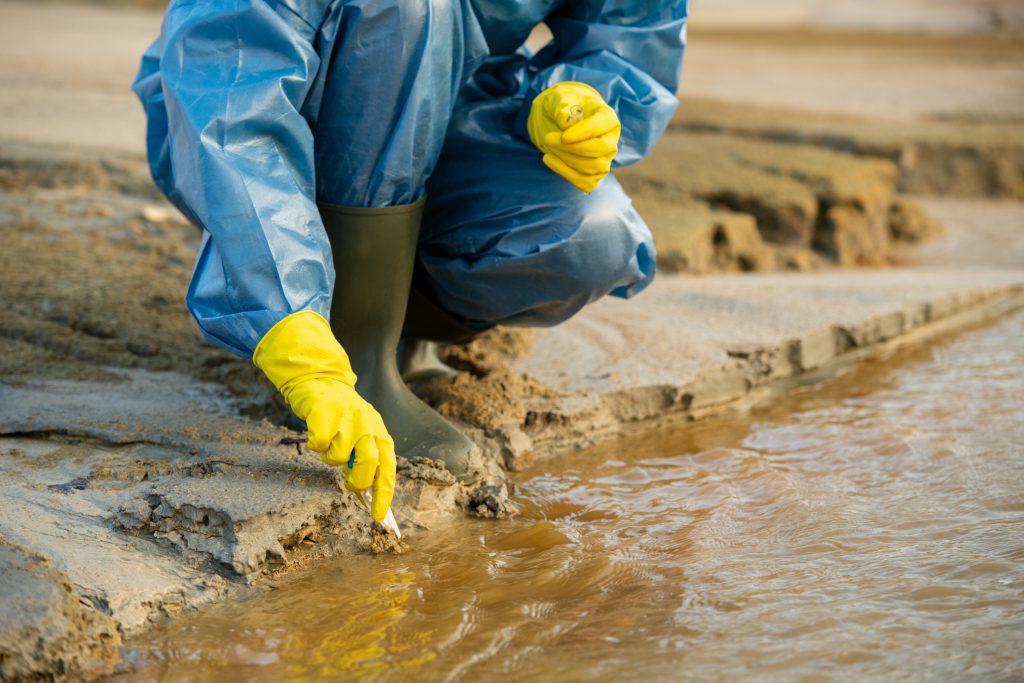
Soil and groundwater conditions. Water Boards, DTSC, CUPAs, and consultants may request soil or groundwater investigation to determine whether prior operations contributed to releases. How you respond affects the overall project timeline.
Hazardous materials uncovered during construction. Developers frequently discover buried debris, tanks, solvents, or impacted soil once work begins. Proper handling, documentation, and agency notice are critical to avoiding stop-work orders or cost overruns.
Stormwater and Construction General Permit compliance. Many projects that disturb soil may trigger Clean Water Act permitting requirements for construction. That means sampling, SWPPP preparation, special training and hiring, BMP implementation, and a rigorous schedule of monitoring, inspections, and reporting—requirements that can affect schedules if not addressed upfront.
Redevelopment in dense urban corridors. Projects in Los Angeles, Long Beach, and other high-pressure markets often intersect with complicated zoning, historic land uses, and active community oversight. These factors can increase the level of environmental review and documentation needed.
Multi-agency oversight. Many projects are subject to the oversight of multiple agencies such as CUPAs, DTSC, Water Boards, regional air districts, and city planning departments—all with different processes, deadlines, and priorities. Coordinating among them requires strategy, experience, and consistent communication.
When development teams understand these issues before they become bottlenecks, they protect both the deal and the construction schedule. We help real estate stakeholders anticipate and manage these environmental demands so their projects continue to move forward with fewer surprises.
Most manufacturing concerns begin with a question, inspection, or request for information. The first step is understanding the purpose behind the inquiry. Agencies typically seek clarification about a specific area of operations—waste generation, air permits, stormwater sampling, or materials handling.
From there, gathering relevant records, reviewing internal processes, and identifying potential gaps helps establish the most effective response. For many manufacturers, this approach resolves the issue before it escalates. Even more complex situations can be managed effectively when facility operators know what to expect and how agencies typically proceed.
A calm, informed response is always more effective than rushing to provide incomplete information.
Reviewing Phase I and Phase II reports and identifying practical next steps.
You receive clear guidance on what matters, what does not, and what can keep the transaction moving.
Communicating with agencies to clarify expectations.
We translate regulatory language into actionable steps and reduce back-and-forth that slows projects.

Coordinating soil or groundwater investigations when needed.
When sampling is unavoidable, we ensure it remains appropriately scoped and aligned with project goals.
Advising on construction-related environmental requirements.
We help teams plan for stormwater rules, hazardous-materials handling, and documentation that protects both timelines and budgets.
Managing tenant or legacy-operator issues during redevelopment.
These relationships can complicate a project; we help teams navigate them with minimal disruption.
Every project benefits from a practical, experienced approach that keeps the focus on solutions—not worst-case scenarios.
When development teams understand these issues before they become bottlenecks, they protect both the deal and the construction schedule. We help real estate stakeholders anticipate and manage these environmental demands so their projects continue to move forward with fewer surprises.
Environmental inquiries usually surface at predictable pressure points: escrow, financing, entitlement review, or the early stages of demolition and grading. A consultant notes a former dry cleaner in a Phase I, a lender demands a Phase II before closing, or a Water Board or CUPA wants more information before it signs off on redevelopment plans. Once dirt starts moving, agencies may also require documentation that addresses potential environmental conditions before they issue key permits.
Developers who understand what these requests actually mean—versus what people fear they mean—move faster and negotiate more effectively. Many agencies want confirmation, not enforcement. A well-reasoned explanation of site history, operational records, or consultant findings can often resolve questions without triggering unnecessary investigation or delay.

Reviewing Phase I and Phase II reports and identifying practical next steps.
You receive clear guidance on what matters, what does not, and what can keep the transaction moving.
Communicating with agencies to clarify expectations.
We translate regulatory language into actionable steps and reduce back-and-forth that slows projects.
Coordinating soil or groundwater investigations when needed.
When sampling is unavoidable, we ensure it remains appropriately scoped and aligned with project goals.
Advising on construction-related environmental requirements.
We help teams plan for stormwater rules, hazardous-materials handling, and documentation that protects both timelines and budgets.
Managing tenant or legacy-operator issues during redevelopment.
These relationships can complicate a project; we help teams navigate them with minimal disruption.
Every project benefits from a practical, experienced approach that keeps the focus on solutions—not worst-case scenarios.
Why a lender or agency is asking for information.
This frames the conversation and prevents unnecessary escalation.
Whether additional investigation is truly needed.
Not every request warrants a Phase II or major study.
How to manage communications strategically.
We help teams respond in a way that avoids expanding scope or inviting new questions.
What steps allow financing, entitlements, or construction to proceed.
Understanding the path forward prevents avoidable delays.
How to handle environmental findings during escrow or redevelopment.
We provide the legal and strategic context your consultants cannot.
Our goal is straightforward: give development teams the information they need to make fast, informed decisions and maintain project momentum. Most environmental questions become manageable—sometimes even simple—once the expectations are clear.

Redevelopment in California is complex, but it does not have to be chaotic. When environmental questions arise from consultants, agencies, lenders, or unexpected site conditions, addressing them early protects timelines and deal value.
If you are navigating an environmental request or a due-diligence concern on a commercial or investment property, the Law Office of Jennifer F. Novak can help you understand your options and move forward with confidence.