
Table of contents: Exide Contamination Report & Cleanup Risks
By: Jennifer Novak
In June 2024, the United States Environmental Protection Agency (EPA) issued a shocking new report regarding the Vernon Exide Superfund site. Officials found that the former Exide Technologies facility in California could soon qualify for this rigorous federal designation. Consequently, such a classification would heavily impact the surrounding communities and businesses alike. You can read a copy of the official findings on the EPA’s official website.
New TCE Findings at the Vernon Location
Historically, the Exide location received years of negative publicity due to lead levels in nearby neighborhoods. However, the EPA based its latest findings on a completely different chemical. Specifically, investigators discovered massive amounts of TCE (Trichloroethylene), a volatile organic compound often used as a solvent. Furthermore, the EPA reported a deeply concerning trend where this TCE migrated far down into the local groundwater table.
[Image of groundwater contamination plume diagram]
Eventually, the chemical breached the local aquifers that supply regional drinking water. Because of this dangerous migration, TCE levels at the Vernon Exide Superfund site now drastically exceed federally established health limits at several drinking water wells. This discovery adds a new layer of complexity to an already difficult environmental situation.
The Troubled History of the Facility
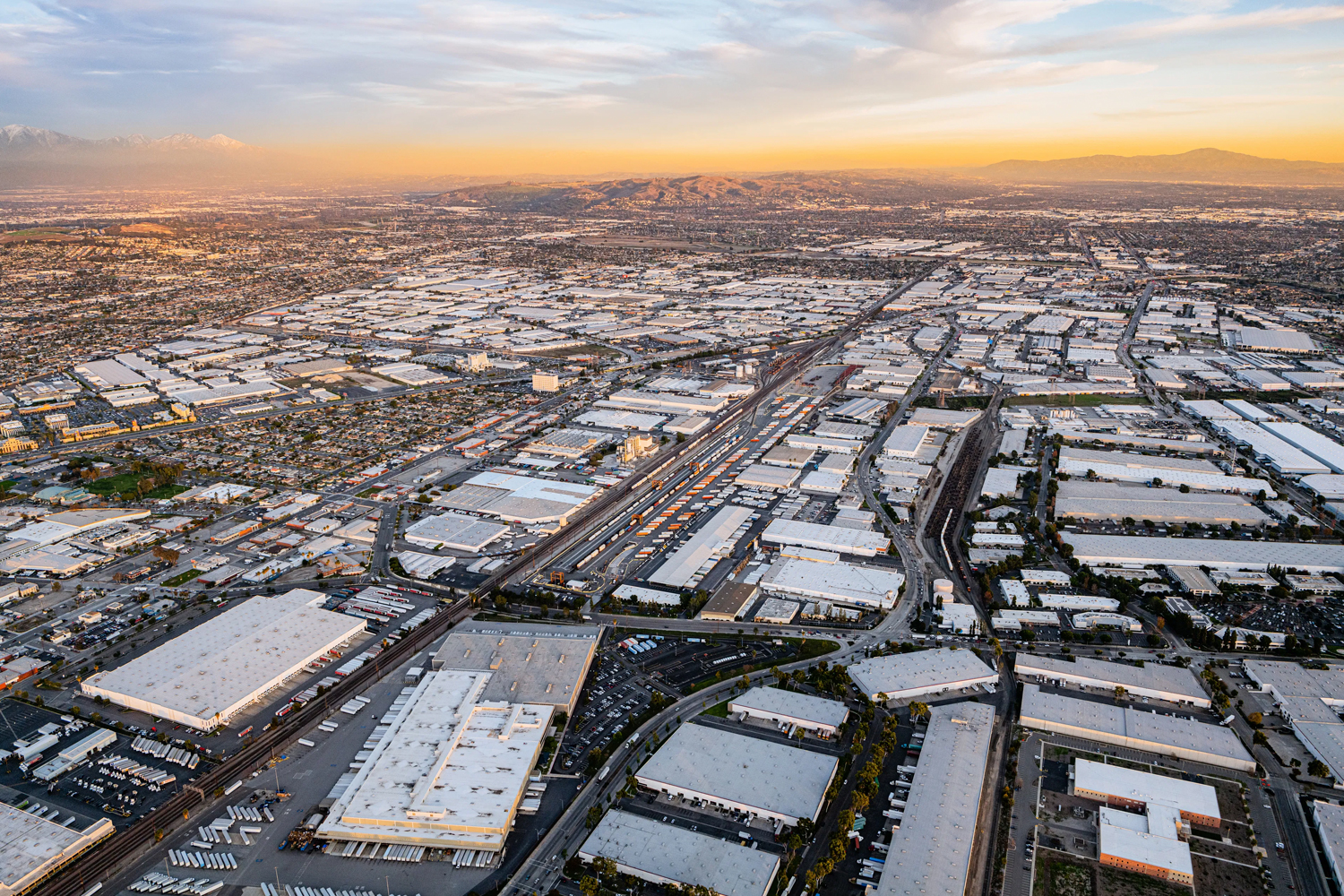
The former Exide facility carries a long and complicated history that dates back over a century. First, the plant sits directly inside a mixed residential and industrial neighborhood. Second, the facility began its initial lead recycling operations as early as 1922. Eventually, by 1982, the company expanded into battery crushing and intensive lead-refining. Furthermore, historical records show that extensive chemical processing occurred on the property for decades.
Unsurprisingly, each of these industrial activities contributed to environmental destruction. Toxic spills and insufficient dust controls consistently released massive air emissions into the Vernon area. Finally, facing mounting environmental concerns and regulatory pressure, Exide ceased all operations in March 2014. Nevertheless, the legacy of this location remains a central concern for California regulators.
Related: Reduce Environmental Penalties: Pro Tips for Your Business
Cleanup Efforts and the Blame Game
Since 2013, the California Department of Toxic Substances Control (DTSC) has investigated the surrounding area aggressively. Regulators conducted soil sampling and intense cleanup efforts targeting over 5,000 residential yards. Shockingly, soil samples revealed residential lead concentrations reaching up to a staggering 73,200 mg/kg. Consequently, the DTSC blamed these extreme concentrations on Exide and other local industrial operations.
In response, those companies deflected the blame immediately. They pointed their fingers at the historic use of leaded gasoline and old lead-based paint instead. Regardless of the blame game, cleanup crews stay busy. As of June 2024, workers successfully cleaned onsite lead dust from over 5,200 properties. However, more than 5,900 local properties still desperately await their turn for remediation at the Vernon Exide Superfund site.
Following the Money and Federal Designation
To date, the State of California has already committed $750 million to this massive project. Meanwhile, environmental advocates continually push for additional federal funds to address both the lead and the newly discovered TCE. If regulators officially declare a Vernon Exide Superfund site, the situation changes completely. This specific designation unlocks essential federal funding which could expedite the cleanup and expand its physical scope.
However, if the EPA moves forward with this rigorous process, the cleanup will still take years. Furthermore, local businesses must remain incredibly vigilant. If your company potentially contributed to this widespread contamination, you must understand that federal money never comes free. A Superfund designation officially allows the federal government to aggressively seek reimbursement from potentially responsible parties. Therefore, the legal battle heavily revolves around the financial responsibility for these long-term costs.
About Us
The Law Office of Jennifer F. Novak Environmental Law represents property owners and businesses in environmental litigation and regulatory matters. Our practice focuses on soil and groundwater remediation, Clean Water Act citizen suits, and compliance with Water Board orders. We provide strategic counsel to clients navigating the complexities of the Vernon Exide Superfund site while ensuring fairness in enforcement and compliance.
For dedicated legal representation in environmental litigation, contact The Law Office of Jennifer F. Novak Environmental Law.