Table of contents: What is Hazardous Waste: Laws and Regulations
By: Jennifer F. Novak
Our global population continues to grow. Additionally, commercial and industrial activities expand every day. Consequently, we generate and dispose of massive amounts of dangerous materials. Therefore, explaining exactly what is hazardous waste often depends on who you ask. In this article, we will break down this complex topic for you.
Understanding What is Hazardous Waste
The Resource Conservation and Recovery Act (RCRA) creates the federal framework for managing dangerous materials. Specifically, this law tracks materials from “cradle to grave.” Furthermore, it provides a great starting point for understanding what is hazardous waste. Under RCRA, the material must be solid. Additionally, it must also have characteristics that make it dangerous to human health or the environment. This definition seems deceptively simple at first.
Meanwhile, the Comprehensive Environmental Response, Compensation, and Liability Act (CERCLA) directs cleanup funds for deserted sites. CERCLA relies on outside regulations like RCRA to define dangerous substances. Similarly, California’s Hazardous Substance Account Act (HSAA) also outsources its definitions. The HSAA points to Title 42 of the United States Code for lengthy explanations. On the other hand, the U.S. Environmental Protection Agency (EPA) uses four main guidelines. Namely, they test for ignitability, corrosivity, reactivity, and toxicity.
Identifying these materials gets quite complicated. In fact, the rules reach a countless number of sources and generators. However, one common thread exists across all definitions. Ultimately, everyone generates some level of dangerous material, even if some produce more than others.
Related: Citizen Lawsuits Under the Clean Water Act Explained
How Does Everyone Create This Waste?
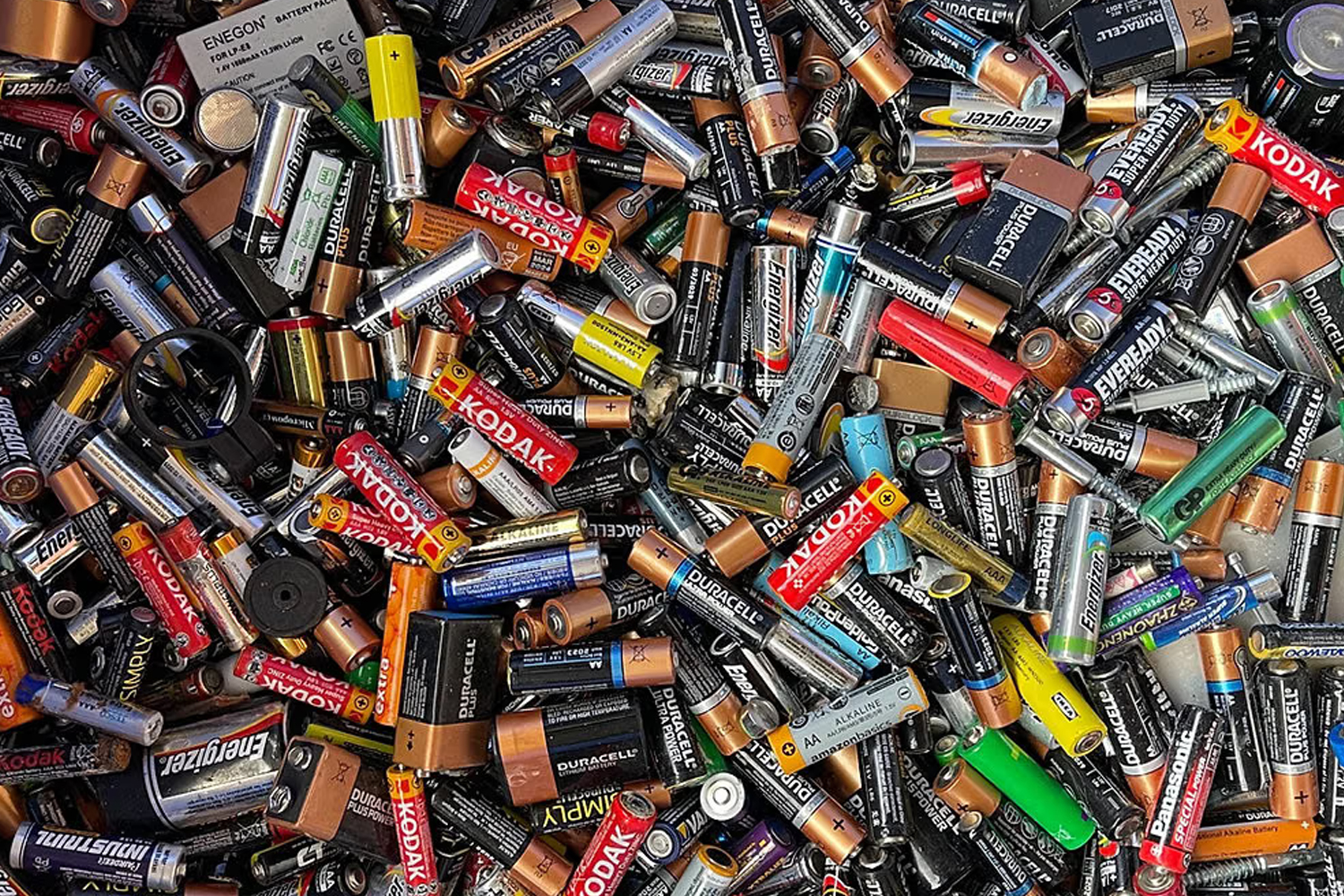
You probably generate dangerous waste in your own home. For instance, think about your old batteries. Consider those buckets of half-used paint in your closet. You might even have old bottles of motor oil sitting in your garage.
However, regulators focus mostly on agricultural, commercial, and industrial businesses. Regardless, every small business must dispose of materials properly. For instance, office workers throw away empty printer toner cartridges. Likewise, maintenance staff replace fluorescent light bulbs in the ceilings. Meanwhile, larger companies manage much more serious issues. Specifically, these industrial generators handle toxic sludge from waste treatment plants. Additionally, agricultural operations discard massive amounts of contaminated solids.
Uncontrolled toxic materials negatively impact our environment. Undoubtedly, this holds true for massive industrial spills and small household leaks alike. Thus, understanding what is hazardous waste is essential for everyone.
What Does This Waste Do to Our Environment?
The environmental impact depends entirely on the material’s composition. For example, ignitable materials cause uncontrolled fires when discarded improperly. Furthermore, corrosive and reactive chemicals irreparably damage local soils and waterways. Additionally, toxic substances poison surrounding plants, animals, and people. Exposure to these toxins leads to severe illness or even death.
The resulting chain reactions are potentially endless. For example, solid waste landfills produce massive amounts of methane gas. Consequently, this specific greenhouse gas heavily contributes to global climate change.
Related: Are You Drinking Microplastics? Water Contamination Laws Explained
How Do Laws Regulate What is Hazardous Waste?
State and federal regulators require generators to minimize their environmental impact. Importantly, this oversight prevents the uncontrolled accumulation of toxic materials. RCRA gives the U.S. EPA power to monitor and control these substances. Specifically, the agency tracks the transportation, treatment, storage, and disposal of these materials. CERCLA generates crucial cleanup funds via specialized taxes and fines. Subsequently, officials use this money to clean up abandoned dump sites and chemical accidents. Finally, California uses the HSAA to enforce similar rules at the state level.
These programs encourage companies to reuse or recycle materials whenever possible. However, if recycling fails, the rules demand proper storage, treatment, or disposal. Naturally, each strategy changes based on the specific nature of the material. Knowing exactly what is hazardous waste keeps our communities safe. Without strict regulations and enforcement, we would all live in a literal wasteland.
Related Video
Want to learn more? Watch this related video below:
About Us
The Law Office of Jennifer F. Novak provides strategic environmental law representation for property owners and businesses. We specialize in environmental litigation and regulatory compliance, focusing on soil and groundwater remediation, Clean Water Act citizen suits, and Water Board orders (Sections 13304 & 13267). We protect your interests by navigating complex regulations and ensuring fair enforcement.
Contact us today for dedicated environmental legal counsel.