Table of contents: The Delta Smelt and the Los Angeles Fires, Part One
By: Jennifer Novak
A Search for Answers Amidst the Fires
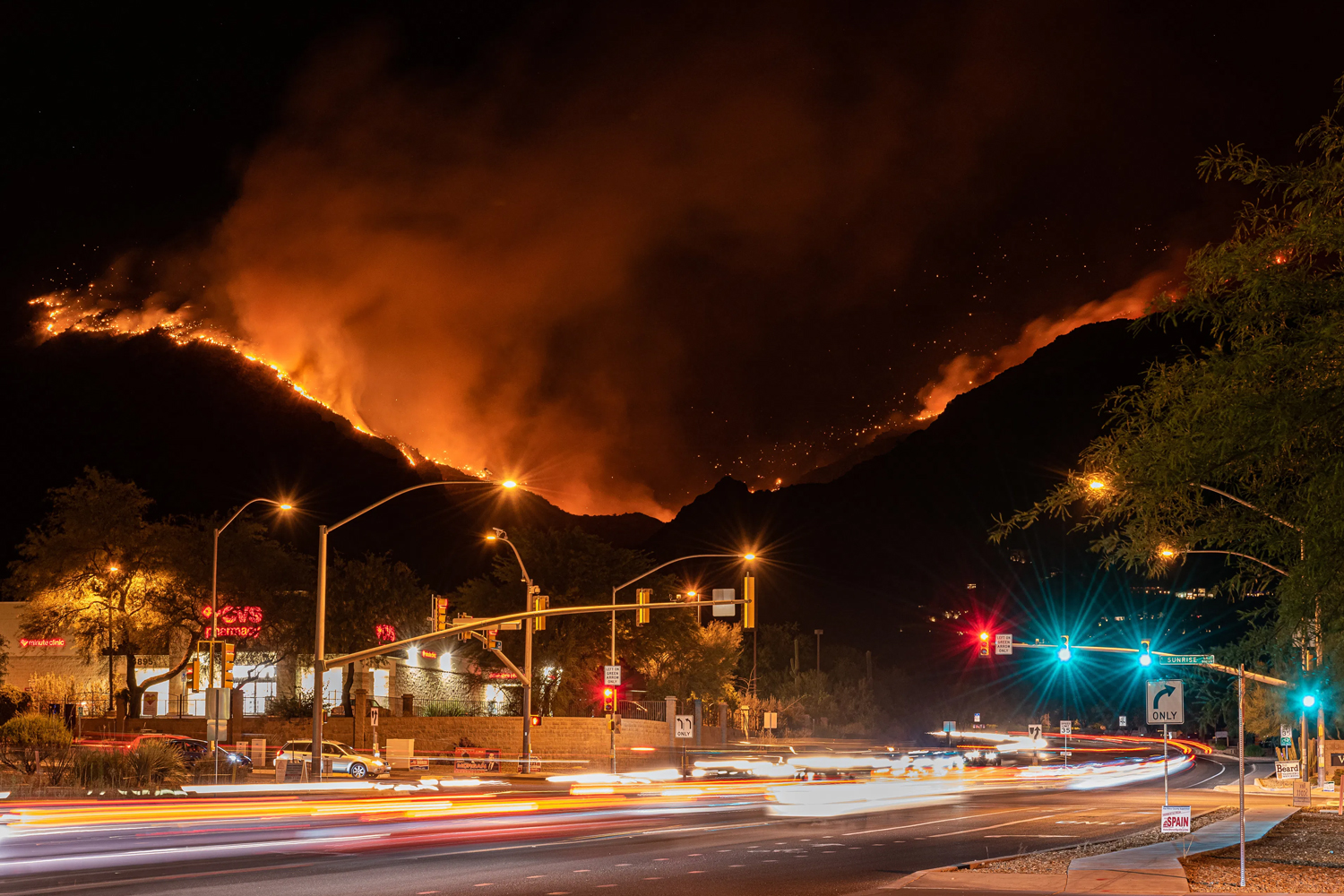
Here in Southern California, fire warnings and alerts are currently part of daily life. Naturally, it’s common to wonder why this is happening and to search for answers regarding the Los Angeles water supply and our environmental infrastructure. Residents and business owners alike have lost their properties, while hundreds of thousands of people anxiously wait for assurances that the fires are contained and the winds have calmed. Make no mistake: Los Angeles, and perhaps California as a whole, will never be the same. Even after the fires are out, the region will still face years, potentially decades, of struggles.
Ultimately, we need reflection on the complexities that led to such destruction, both small and large. This situation was not created in a day or by any single policy decision. And yet, people often confuse education and reflection with buzzwords, unfounded opinions, and slogans. I worry that big issues like water, zoning, flood control, and climate change are being oversimplified or misunderstood. To that end, with the hope that it helps even one person gain some insights, here are some thoughts on whether conservation is mainly to blame for Los Angeles’s plight.
The Desert Climate of Southern California
Most of Southern California is classified as a desert or semi-arid region. Some areas, like those along the coast, receive the benefit of overall cooler temperatures and fog. Overall, however, the City of Los Angeles typically receives about 15 inches of rain a year, falling almost entirely between November and March. In contrast, cities like Chicago or Pittsburgh get more than twice as much rain (38 inches). Charlotte gets nearly three times as much (43 inches). Furthermore, these cities also have more consistent year-round rainfall, preventing vegetation from drying out during the summer months. In Los Angeles, we get wet and then we get very dry.
Related: Sea Level Rise Adaptation: Coastal Property Rights vs. Managed Retreat
Where Does the Los Angeles Water Supply Come From?
Without a consistent local source of water, the Los Angeles water supply relies primarily on importing water from distant sources, supplemented by local groundwater and recycled water. Specifically, Los Angeles obtains its water from three main sources outside the region:
- The Los Angeles Aqueduct, which brings water to the region from the Owens Valley and Mono Basin. It accounts for approximately 30-40% of our water supply in an average year;
- The Colorado River, which is continually subject to legal challenges among numerous states and indigenous tribes who all lay some legal claim to its water; and
- The State Water Project, which brings water from the Sacramento-San Joaquin Delta to Southern California through the California Aqueduct.
In addition, local groundwater produces between 10-15% of the city’s water supply. The city is also increasing efforts to use more recycled water and stormwater to meet its various corporate and consumer needs. It has set a goal of meeting 70% of its water needs through local sources by 2035; however, the goal is ambitious and it’s unclear how close the city can get.
Why Doesn’t Rain Replenish the Los Angeles Water Supply?
People who live in other areas of the country may find our situation perplexing. After all, don’t we experience enough rainfall to “bank” it? Doesn’t it recharge our groundwater and fill up our lakes and reservoirs? To understand why that isn’t the case, we need to look at geography and humanity’s determination to control nature.
More than 100 years of policy and planning created the Los Angeles that we see today. As the region grew, developers and municipalities transformed fields and open space into urban landscapes. Consequently, when rain does fall, less of it infiltrates the ground. When rain hits commercial rooftops, residential driveways, parking lots, and streets, it usually turns into run-off, traveling along paved and impervious surfaces to the nearest drainage point.
Long ago, rivers, creeks, and streams in Los Angeles flowed naturally. But as the city grew, floods became more dangerous. During historical 19th and early 20th-century floods, torrential rains submerged major portions of the area, prompting the Los Angeles River to change its course. Therefore, these deadly events led to the construction of an extensive flood control system. This system is designed to force water towards concrete channels and out to the ocean. Ultimately, it prioritizes safety and certainty over water capture.
Related: Citizen Lawsuits Under the Clean Water Act Explained
The Price of Flood Control: Losing Precious Rainwater
On average, Los Angeles County generates roughly 100,000 “acre-feet” of urban stormwater runoff each year. This can increase to 200,000 acre-feet during heavy rainfall. (One acre-foot is enough water to supply 2-3 households a year.) Sadly, we lose almost all of our stormwater to runoff, which could otherwise bolster the Los Angeles water supply for thousands of households.
In more recent years, policymakers have tried to prioritize projects that infiltrate more stormwater. But as humans and citizens, we have a hard time spending money on preventative measures when other pressing needs exist. As an environmental lawyer, I’ve heard people say cities can’t afford water projects because it might mean closing hospitals or laying off police officers. I am certainly not insensitive to the fact of limited budgets and many needs. I have also heard people complain when money is spent on water resiliency or when they are inconvenienced by projects. It is easier for our minds to justify these activities after we see the immediate need for them. Until then, these are often seen as wasteful or less important.
With This Background In Mind…
Stay tuned for Part Two, where we’ll talk about whether water conservation—and a tiny fish—is really to blame for our ongoing water and wildfire struggles.
Related Video
About Us
The Law Office of Jennifer F. Novak Environmental Law represents property owners and businesses in environmental litigation and regulatory matters. Our practice focuses on soil and groundwater remediation, Clean Water Act citizen suits, compliance with Water Board orders (including under Sections 13304 and 13267), and other environmental legal challenges. We provide strategic counsel to clients navigating complex environmental regulations while ensuring fairness in enforcement and compliance.
For dedicated legal representation in environmental litigation and compliance, contact The Law Office of Jennifer F. Novak Environmental Law.