Table of contents: The Delta Smelt and the Los Angeles Fires, Part Two
By: Jennifer Novak
What connects wildfires, water shortages, and a tiny fish? In Part One, we discussed Southern California’s heavy reliance on the State Water Project for drinking water. But why do people blame the Delta Smelt for fire damage in Los Angeles? The answer lies in California’s ongoing battle over water.
What is the Delta Smelt, and Why Does It Matter?
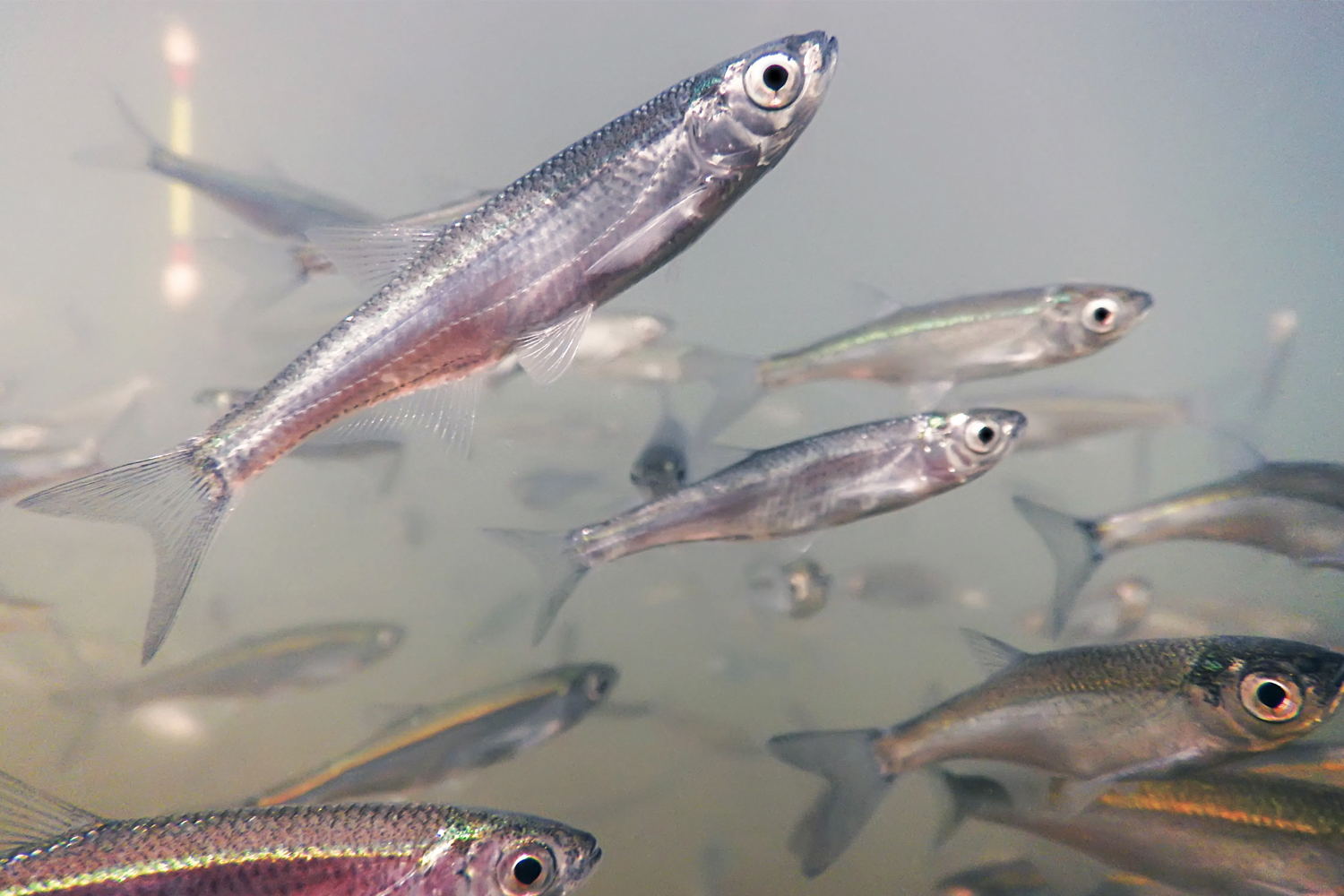
The Delta Smelt is a small, nearly translucent fish living exclusively in California’s Sacramento-San Joaquin Delta. Scientists consider it an indicator species—its health reflects the overall condition of the Delta ecosystem. Unfortunately, the smelt’s population has plummeted due to habitat loss, pollution, invasive species, and changes in water flow. In 1993, the federal government listed the species as “threatened” under the Endangered Species Act.
Under this Act, threatened species receive legal protections to prevent further harm and encourage recovery. This includes restrictions on activities that could kill, harm, or disrupt them. The government may also set aside critical habitat, limiting allowable activities in certain areas. Agencies must consult with wildlife experts before approving projects that could impact these species, and recovery plans outline steps to boost their populations.
While the Delta Smelt faces challenges like pollution and invasive predators, the biggest threat may be water. The Sacramento-San Joaquin Delta is a crucial hub in California’s water system, supplying agricultural operations in the Central Valley and 29 public water agencies that serve 27 million Californians—from the San Francisco Bay Area to Southern California. In short, the Delta Smelt has a lot of competition for water.
Related: San Francisco v. EPA: Supreme Court’s Pending Decision – Law Office of Jennifer F. Novak
It’s Not Just About the Delta Smelt
For years, the Delta Smelt has symbolized California’s broader struggle over water use. Protecting its habitat means prioritizing conservation alongside economic and agricultural needs. But most years, there simply isn’t enough water to go around. In dry years, the State limits water releases from the Delta, affecting farmers, municipalities, and commercial industries. In 2024, for example, the State supplied only 40% of the water requested by users.
It’s important to note that water restrictions aren’t solely about protecting the smelt—when there’s less water, there’s simply less to distribute. However, regulators must also consider the impact of water transfers on Delta species, which leads some people to blame the Delta Smelt for their water shortages. In some years, regulators withhold hundreds of thousands of acre-feet of water (one acre-foot is about 326,000 gallons, enough to supply two or three households annually) for species protection. Otherwise, Central Valley farmers and millions of Californians would divide this water.
But the smelt isn’t the only factor limiting California’s water supply. Climate change has reduced Sierra Nevada snowpack, droughts have become more frequent, and aging water infrastructure struggles to keep up with demand. Still, it’s easier to blame a fish than tackle these bigger, more complex issues.
So, Why Blame LA’s Fire Damage on the Delta Smelt?
The Delta Smelt has become a symbol in the ongoing “fish vs. farmers” debate—a stand-in for larger arguments over whether society should prioritize water for conservation or human use. As we discussed in Part One, Southern California depends heavily on imported water from other parts of the state and beyond. During droughts, water scarcity puts even more pressure on these sources. Some agricultural operators resent sending water to Los Angeles, while others point out that agriculture itself consumes vast amounts of water, particularly for high-demand crops.
If the law allowed California to eliminate water-dependent species like the Delta Smelt, would that solve the problem? Not exactly. More available water wouldn’t necessarily mean excess supplies sitting in reservoirs, ready for firefighting. And let’s not forget—Los Angeles sits next to a vast water source: the Pacific Ocean; firefighters actually used this resource in recent fire-fighting efforts. Instead, having more Delta water would mean Los Angeles and other areas could rely more on State Project water and less on other sources. But would that lead to better water management? Or just increased consumption? The real issue isn’t just how much water we have—it’s how we use it.
California’s water crisis isn’t about one small fish. It’s about finding a way to balance the needs of cities, businesses, agricultural operations, and the environment in a state where water is becoming increasingly scarce. And that’s a challenge we all have a stake in.
Related: PFAS: The “Forever Chemicals” Invading Daily Life
Watch: Why We Care (Or Not) About Soil Data
Want to learn more? Watch this related video below:
About Us
The Law Office of Jennifer F. Novak Environmental Law represents property owners and businesses in environmental litigation and regulatory matters. Our practice focuses on soil and groundwater remediation, Clean Water Act citizen suits, compliance with Water Board orders (including under Sections 13304 and 13267), and other environmental legal challenges. We provide strategic counsel to clients navigating complex environmental regulations while ensuring fairness in enforcement and compliance.
For dedicated legal representation in environmental litigation and compliance, contact The Law Office of Jennifer F. Novak Environmental Law.