
Vapor Intrusion in California: What Property Owners Need to Know
If you own, develop, or lease property in California, vapor intrusion is worth understanding — especially if the site has any history of dry cleaning, industrial use, or petroleum handling. It happens when volatile chemicals seep up from contaminated soil or groundwater into indoor air, and it’s become a major focus for state regulators. Get caught off guard by it, and you could be looking at stalled deals, permitting delays, or occupancy problems.
California doesn’t just follow federal rules here — its standards are often stricter and change faster, which makes this a moving target even for experienced owners.
Why It’s a Bigger Deal Than People Think
This isn’t just a technical issue for environmental consultants to sort out after the fact. Regulators expect owners and developers to get ahead of it — checking whether volatile organic compounds (VOCs) could be migrating into a building, whether the contamination started on-site or next door. The Department of Toxic Substances Control (DTSC) and local agencies have steadily widened the net, and now residential, mixed-use, and commercial properties can all get pulled in.
If it’s missed, the consequences show up fast: escrow delays, regulatory holds, even enforcement action. Tenants may push for cleanup, insurers may balk at coverage, and lenders may demand extra review before funding. Dealing with it early protects both your deal and your asset’s value.
What Makes California Different
A few things set California apart:
- Stricter thresholds. The state’s screening levels for indoor air are often tighter than federal ones, meaning more sites trigger a closer look.
- DTSC’s 2022 guidance. This introduced a tiered, step-by-step assessment process — and some local agencies go even further.
- Broader scope. It’s not just old brownfields. Any site with potential VOC impact can be affected, cleanup underway or not.
- Easy to trigger. A sale, a new lease, a land use change, even redevelopment can prompt agency review — sometimes without the owner initiating anything.
Myth: Only Heavy Industrial Sites Are at Risk
Not true. In California, a former dry cleaner, an old gas station, even a retail strip or apartment complex can draw scrutiny if VOCs or petroleum hydrocarbons are suspected nearby. Regulators expect due diligence up front, during site planning — not after a problem surfaces. Skip that step, and you risk enforcement action, nuisance claims, or liability that follows the property to its next owner.
Who Should Be Paying Attention
- Developers or investors eyeing commercial or mixed-use sites with any environmental history
- Landlords facing agency-directed testing, particularly on occupied buildings
- Anyone seeking financing, insurance, or regulatory closure on a site with past solvent or fuel use
- Parties to a property transfer, merger, or acquisition involving prior hazardous substance use
One thing that catches people off guard: you don’t need your own contamination history to be affected. Proximity to a known groundwater plume or a designated “vapor concern” area can be enough.
The Basics of How It Works
Vapor intrusion happens when contamination underground finds its way indoors — usually through foundation cracks or utility penetrations. In California, the usual suspects are chlorinated solvents like PCE and TCE (common in dry cleaning) and fuel compounds like benzene and MTBE.
The process typically looks like this:
- Screen the site — historical use, nearby releases, existing soil/groundwater data
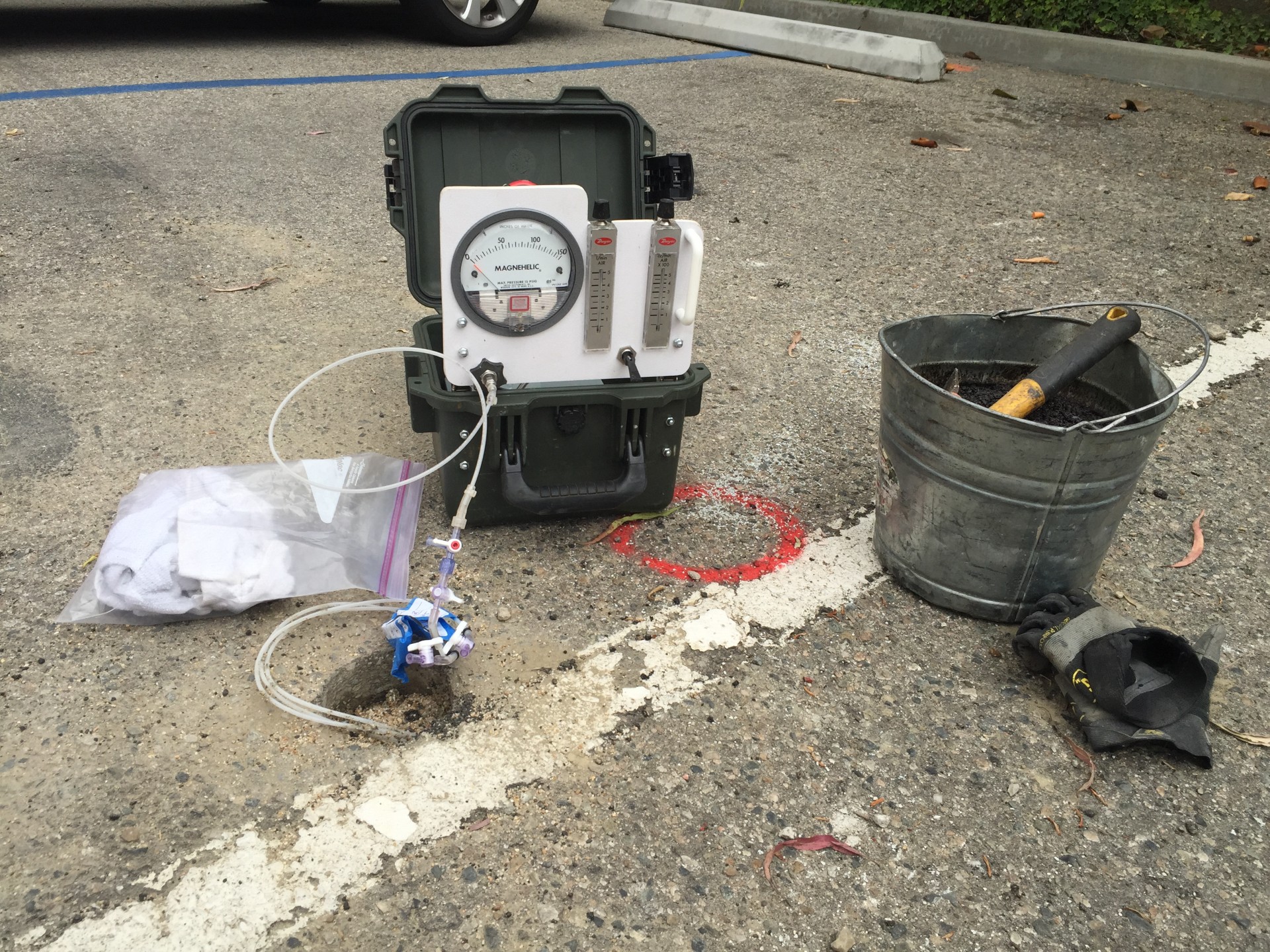
- Sample — usually beneath the slab or in crawl spaces, sometimes indoor air directly
- Assess risk — factoring in exposure duration and sensitive populations like children or hospital patients
- Mitigate if needed — passive venting, vapor barriers, or similar controls
DTSC’s 2022 guidance sets the bar for what counts as adequate assessment and mitigation. And unlike some states, closing out soil or groundwater issues doesn’t necessarily close the book — California can reopen vapor concerns if new data comes in or the land use changes.
This is where legal counsel earns its keep: not running the sampling, but interpreting what agencies actually require, managing the back-and-forth with regulators, negotiating who’s on the hook for what, and making sure the paper trail holds up.
Where Deals Go Sideways
Vapor intrusion issues tend to surface during due diligence — for a sale, a refinance, or a redevelopment. Common friction points:
- Escrow or permitting delays over agency concerns, even without confirmed contamination
- Buyer/seller disputes over who handles investigation, mitigation, or agency talks
- DTSC and local agencies not seeing eye to eye, leaving everyone unsure what’s actually required
- Managing tenant or buyer communication if testing happens mid-occupancy
How to stay ahead of it:
- Bring in counsel early, alongside your environmental consultant
- Spell out indemnification, cost-sharing, and who handles agency communication in the transaction documents
- Keep a thorough paper trail of every regulatory and transactional exchange
- Use interim fixes — sub-slab depressurization, ventilation — to keep operations running during review
Standards have moved fast since 2022. What passed muster a few years ago might not hold up today.
Two Examples From Real Deals
A developer buying a former retail center in Los Angeles County found a legacy PCE release from an old dry cleaner. The consultant called the plume stable, but the lender’s counsel still required a fresh vapor intrusion analysis before closing. Regulators, working off DTSC’s current guidance, asked for subslab sampling and a vapor barrier under the new construction — more cost and time upfront, but a cleaner risk profile going forward.
In the Bay Area, an industrial landlord converted an office building’s tenancy and got pulled back into regulatory review — even though the site had closure years earlier. Updated exposure science and lower screening thresholds meant new air sampling and mitigation were required. Counsel restructured the leases to clearly assign responsibility for investigation and compliance, avoiding disruption to occupancy.
The lesson in both cases: getting legal and technical teams involved early kept the deals moving instead of stalling them out.
FAQ
Why does it matter to work with a conservation easement attorney in California?
Regulations shift, and a good attorney keeps your property rights and conservation goals aligned with current law — while protecting your interests along the way.
What should I understand before setting up a conservation easement?
The property restrictions, the tax implications, and what long-term stewardship actually requires. No two easements are identical, so each one needs its own careful review.
Who benefits most from a conservation easement?
Landowners who want to preserve natural resources, local governments pursuing sustainable land use, and conservation-focused organizations. Families looking to keep land in the family long-term often find real value here too.
What trips people up with conservation easements, and how do you help?
Tax consequences, land use restrictions, and dense legal language are the usual sticking points. We break down the requirements, draft language that protects you, and negotiate terms that head off future disputes.
How do I get started?
Look at recent case studies, talk to trusted environmental organizations, and reach out to a conservation easement attorney in California for advice specific to your property. We’re happy to walk you through it.