Table of contents: Why You Could Be Liable for Someone Else’s Pollution
By: Megan Meadows & Jennifer Novak
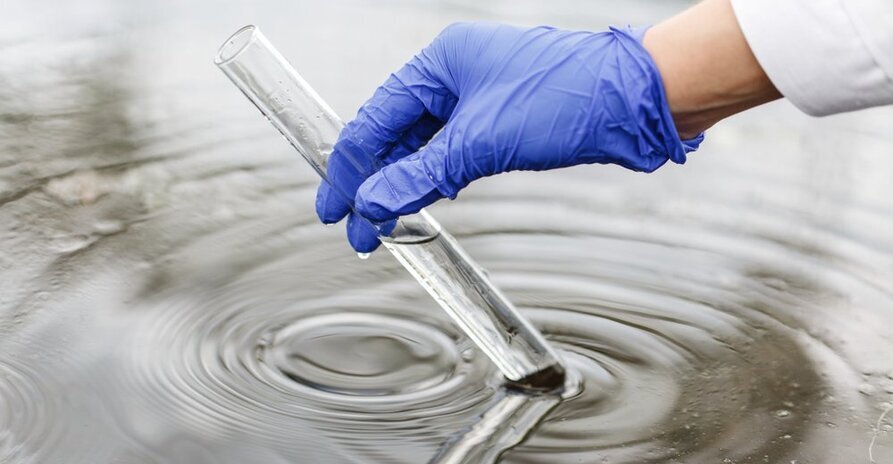
Have you ever wondered how private individuals can sue companies for pollution? Clean Water Act citizen suits empower everyday people to enforce environmental laws. Consequently, if you run a business, you must understand how these lawsuits work to avoid unexpected liability in an increasingly litigious environment.
The Evolution of Environmental Enforcement
In the early twentieth century, state governments tried to stop industrial polluters. They specifically wanted to fix massive pollution problems impacting United States water sources. Despite these efforts, their regulatory systems often failed. This failure resulted in extreme leniency towards corporate entities and commercial facilities.
Furthermore, state officials blamed their lack of enforcement on several factors. They claimed strict enforcement was impossible because standards were too high. Federal intervention finally arrived in 1948, eventually culminating in the Clean Water Act (CWA) of 1972. Because federal standards require all states to meet minimum requirements, regulations are now more uniform for both businesses and consumers.
NPDES Permits and Clean Water Act Citizen Suits
The National Pollutant Discharge Elimination System (NPDES) is the most important CWA program. It creates a strict permitting system that regulates pollutant discharges from industrial businesses. While the EPA holds enforcement authority, most states have enacted their own laws to enforce NPDES permits.
However, Section 505 of the law introduces Clean Water Act citizen suits. This legal mechanism allows private individuals or community groups to sue violators directly. In addition, they can file lawsuits against any person, corporation, or government agency breaking the law. Consequently, this adds a layer of oversight beyond government inspections.
Related: The Pros and Cons of California’s Proposition 65: Ensuring Safe Drinking Water
Historical Roots: The Qui Tam Action
These modern lawsuits draw inspiration from historical legal frameworks. We can trace Clean Water Act citizen suits back to the qui tam action from fourteenth-century English common law. Early state legislatures passed countless laws authorizing these prosecutions to incentivize private citizens to help the government. As a result, the tradition of public participation in law enforcement remains a cornerstone of environmental protection.
The Purpose and Power of Clean Water Act Citizen Suits
The rationale behind these lawsuits is several-fold. First, government agencies often lack the resources to enforce the CWA alone. Second, because commercial entities commit many violations, Clean Water Act citizen suits provide an essential backup enforcement method. This system empowers citizens to confront polluters directly while holding regulatory bodies accountable for enforcement lapses.
Procedural Hurdles: The 60-Day Notice Letter
Stringent prerequisites govern the initiation of Clean Water Act citizen suits. For instance, citizens must serve alleged violators with a “60-Day Notice Letter” before filing. This letter gives agencies an opportunity to step into the proceedings. During this period, the alleged violator can rectify violations. Consequently, fixing the problem may eliminate the citizen’s ability to proceed to litigation.
Demonstrating Legal Standing
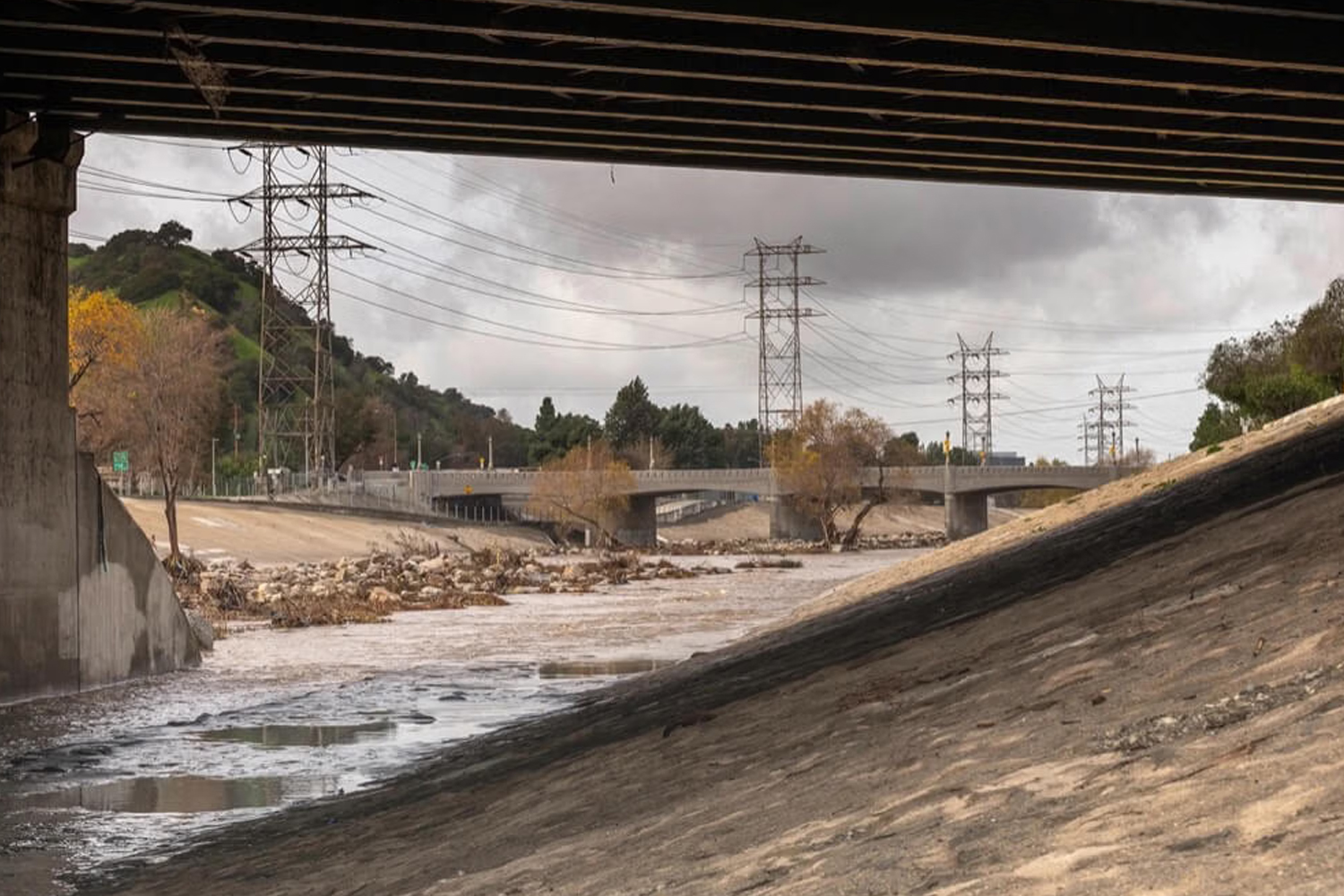
Citizens must also demonstrate legal “standing” before filing. This signifies a direct interest in the case. For example, individual plaintiffs must trace their grievance to a tangible harm. If a lawsuit alleges a factory is polluting a river, the citizen must prove the actions directly harm their personal or recreational use. Furthermore, all Clean Water Act citizen suits must target actual harm rather than hypothetical scenarios.
The Future of Citizen Suits at the Supreme Court
Ultimately, these lawsuits foster environmental stewardship among concerned citizens. They fill a massive gap in enforcement capabilities. However, the biggest threat to corporate permit holders often comes from outside groups rather than government regulators. Because the legal environment features shifting interpretations, the future of Clean Water Act citizen suits remains a topic of intense debate among legal experts.
Why Your Business Should Avoid Clean Water Act Enforcement
Want to learn more? Watch this related video below:
About Us
The Law Office of Jennifer F. Novak Environmental Law represents property owners and businesses in environmental litigation. Our practice focuses on soil and groundwater remediation and Clean Water Act citizen suits. We provide strategic counsel to clients navigating complex environmental regulations while ensuring fairness in enforcement and compliance.
For dedicated legal representation, contact The Law Office of Jennifer F. Novak Environmental Law today.