
CEQA Exemptions and Environmental Compliance: What Developers Need to Know
- Statutory CEQA Exemptions: A Shift in Entitlement Risk, Not Environmental Risk
- Environmental Compliance Still Governs Contaminated and Industrial Properties
- Brownfield Redevelopment: Aligning Cleanup with Development Strategy
- Groundwater Contamination and Vapor Intrusion: The Real Schedule Drivers
- Environmental Liability Remains Unchanged
- Strategic Implications for Developers and Industrial Property Owners
- Frequently Asked Questions
Recent amendments to the California Environmental Quality Act (CEQA) created new opportunities to accelerate urban infill and residential development. For real estate developers, industrial property owners, and businesses evaluating environmentally impacted sites, however, these reforms are frequently overstated. While statutory CEQA exemptions can streamline land use approvals and reduce litigation risk, they do not displace the separate regulatory regimes governing environmental investigation, groundwater contamination, hazardous materials, and site remediation.
Understanding that distinction is critical to underwriting, acquisition strategy, and project execution.
Statutory CEQA Exemptions: A Shift in Entitlement Risk, Not Environmental Risk
California’s recent housing legislation introduced several statutory exemptions designed to facilitate infill development and reduce delays associated with environmental review. Provisions such as Public Resources Code sections 21080.27 and 21080.66 allow qualifying residential and mixed-use projects to proceed without preparation of an environmental impact report (EIR), significantly compressing entitlement timelines and limiting exposure to CEQA litigation.
For developers and investors, these reforms represent a meaningful reduction in procedural risk. Projects that meet statutory criteria can avoid years of administrative review and litigation that historically affected urban development, particularly in high-density markets.
However, these exemptions are narrowly targeted. They address how a project is approved—not whether a property is environmentally suitable for its intended use. That determination remains governed by separate statutory authorities.
Environmental Compliance Still Governs Contaminated and Industrial Properties
Regardless of CEQA status, environmentally impacted properties remain subject to California’s primary environmental cleanup and regulatory statutes, including:
- The Hazardous Substance Account Act (Health & Safety Code § 25300 et seq.)
- The Porter-Cologne Water Quality Control Act (Water Code § 13000 et seq.)
- The federal Comprehensive Environmental Response, Compensation, and Liability Act (CERCLA) (42 U.S.C. § 9601 et seq.)
These laws authorize agencies such as the Department of Toxic Substances Control (DTSC) and Regional Water Quality Control Boards to require investigation, remediation, and long-term monitoring of contaminated soil, groundwater, and vapor intrusion conditions. Importantly, these obligations apply independently of CEQA and are not affected by statutory exemptions.
As a result, a project may qualify for CEQA streamlining while still encountering significant delays driven by environmental investigation, agency oversight, or unresolved contamination.
Brownfield Redevelopment: Aligning Cleanup with Development Strategy
For decades, brownfield redevelopment in California—particularly on former industrial or commercial sites—was constrained by the uncertainty created by multiple layers of regulatory processes. Developers often faced extended CEQA review followed by unclear or evolving cleanup requirements, creating substantial schedule and cost risk.
Recent CEQA reforms did not eliminate that complexity, but they have made it more manageable by allowing entitlement and remediation to proceed in parallel. Properties undergoing active investigation or cleanup under DTSC or Water Board oversight are not automatically excluded from CEQA exemptions. When supported by enforceable cleanup plans, remedial action orders, or voluntary cleanup agreements, these sites can move forward through the entitlement process while addressing environmental conditions.
This integrated approach can materially improve project feasibility—but only where environmental conditions are well-characterized and regulatory pathways are clearly defined.
Groundwater Contamination and Vapor Intrusion: The Real Schedule Drivers
In urban infill and residential redevelopment, groundwater contamination and vapor intrusion risk frequently determine project timelines more than CEQA itself. Under the Porter-Cologne Act, discharges affecting waters of the state can trigger extensive investigation, plume delineation, and corrective action requirements, often extending over multiple years.
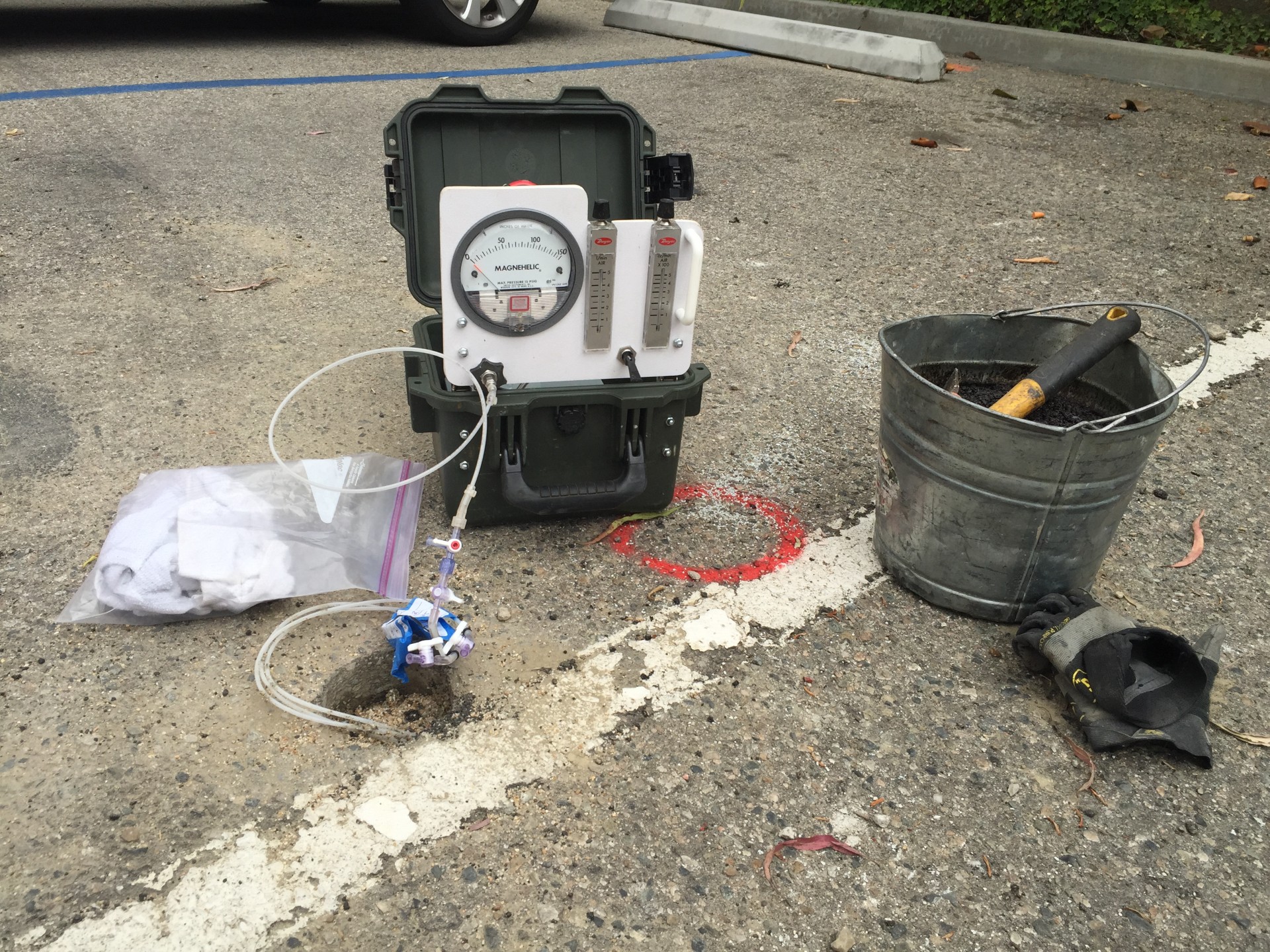
Similarly, vapor intrusion—particularly at sites with historical industrial use—requires evaluation under established regulatory guidance and may necessitate engineered mitigation systems as a condition of development. These systems must be designed, approved, and in some cases maintained over the life of the project.
Because these requirements are enforced independently by DTSC and the Regional Water Boards, they often represent the critical path for development, regardless of how quickly someone obtains CEQA clearance.
Environmental Liability Remains Unchanged
From an acquisition and investment perspective, liability remains a central consideration. Ownership or operation of contaminated property can trigger strict liability under both state and federal law. While defenses such as the bona fide prospective purchaser protection under CERCLA (42 U.S.C. § 9607(r)) may be available, they require strict compliance with pre-acquisition due diligence standards and ongoing post-acquisition obligations.
CEQA reform does not alter these liability frameworks. Developers, industrial property owners, and businesses must continue to evaluate environmental risk through Phase I and Phase II environmental site assessments and ensure compliance with all applicable regulatory requirements.
Strategic Implications for Developers and Industrial Property Owners
For experienced developers, real estate investors, and business owners managing industrial or commercial assets, the current regulatory landscape presents a more predictable—but still highly technical—path forward. CEQA exemptions reduce entitlement friction, but environmental compliance remains the controlling factor in determining project viability, cost, and timing.
Opportunities increasingly exist in underutilized urban and industrial properties where environmental risks are clearly defined and managed through established regulatory programs. Successful projects are those that integrate environmental investigation, cleanup strategy, and entitlement planning from the outset, rather than treating environmental issues as secondary considerations.
In this environment, the distinction is not whether a project qualifies for CEQA streamlining, but whether purchasers and developers understand the underlying environmental conditions and address them sufficiently to support the intended use.
Frequently Asked Questions
Do CEQA exemptions eliminate the need for environmental cleanup?
Can a contaminated property still qualify for a CEQA exemption?
What agencies regulate contaminated sites in California?
What environmental issues most commonly delay urban development projects?
About Us
The Law Office of Jennifer F. Novak offers smart legal support for property owners and businesses. We focus on environmental court cases and rule compliance. Our team handles soil and groundwater cleanup, Clean Water Act citizen suits, and Water Board orders. We guide you through complex rules and fight for fair treatment. Contact us today for dedicated environmental legal help.