
Table of contents: An Overview Of California’s Proposition 65
By: Demetria Mantalis
California business owners are likely familiar with Proposition 65. It informs consumers about exposure to potentially harmful materials. Even non-California businesses encounter California Prop 65 warnings daily. You see them on food packaging, electronics, and inside office buildings.
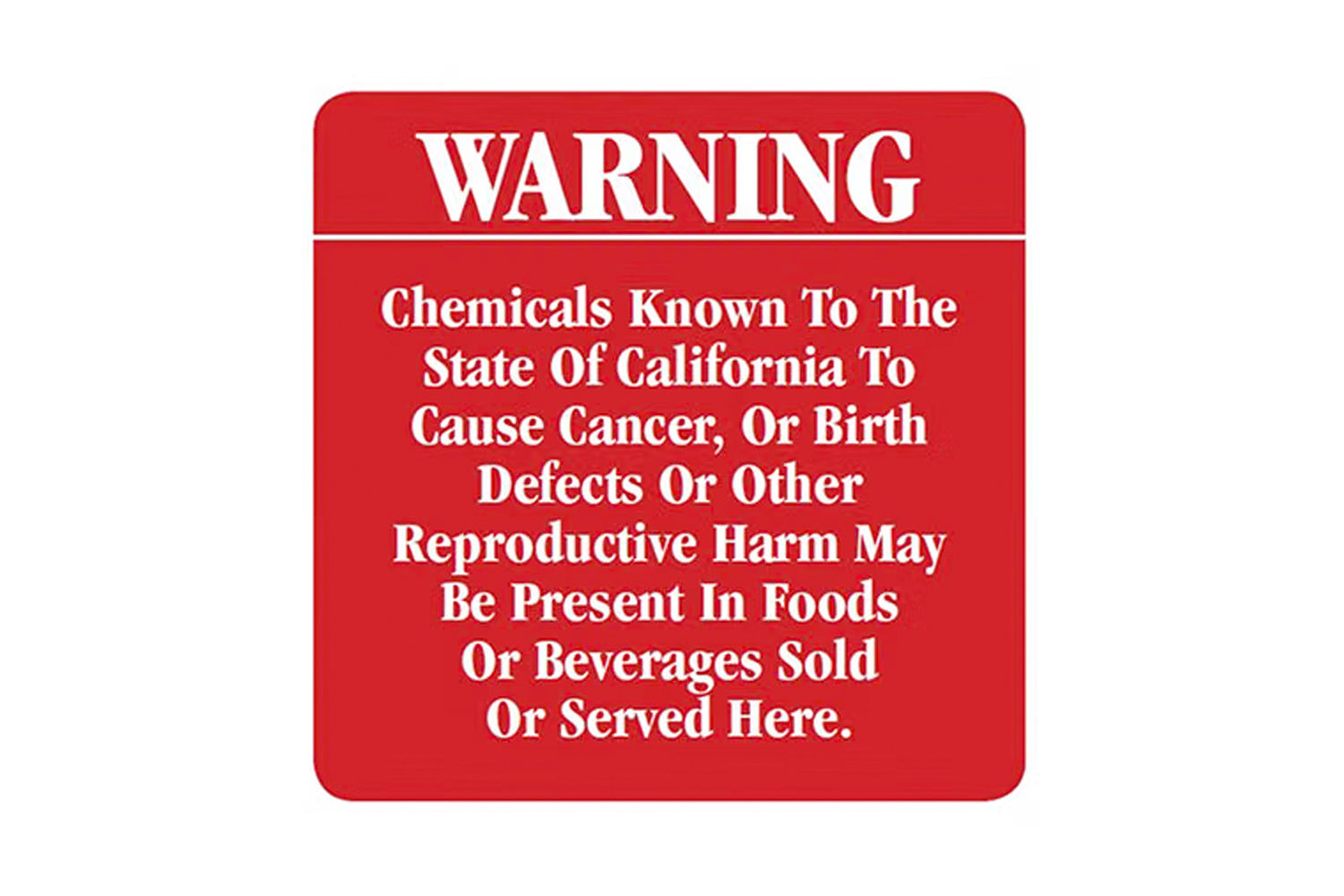
These labels state the product contains chemicals known to cause cancer or reproductive harm. California Prop 65 warnings sound incredibly scary. Yet, they are so prevalent that many consumers simply ignore them. What exactly is this law? What does it mean for your business? Understanding these rules is completely essential. Companies selling products in California must comply. Meanwhile, consumers need this data to make informed health choices.
What Are California Prop 65 Warnings?
Voters enacted this law through a ballot initiative in 1986. The Office of Environmental Health Hazard Assessment (OEHHA) maintains the official chemical list. They update this list at least once a year. Currently, the list includes over 900 hazardous substances.
Officially, it is the Safe Drinking Water and Toxic Enforcement Act. The Legislature intended to protect the public from toxic exposure. The law applies to all consumer products sold in California. Businesses must provide California Prop 65 warnings if products contain listed chemicals. If substances exceed safety thresholds, warnings must visibly inform the public.
How California Prop 65 Warnings Affect Businesses
This law applies to nearly all businesses operating in California. It also covers out-of-state companies selling products to the California market. Businesses with ten or more employees must carefully assess their products. They must determine if their facilities contain any listed chemicals. If so, they must determine whether California Prop 65 warnings are strictly required.
The law covers a very wide range of substances. This includes heavy metals, industrial solvents, pesticides, and plastic phthalates. Even naturally occurring chemicals often fall under its scope. If chemicals exceed “safe harbor” limits, businesses must provide clear warnings. These warnings commonly appear on product labels and websites. You also see them in public areas like apartment buildings.
Compliance requires extreme diligence. Businesses must evaluate raw materials and conduct chemical testing. Failure to comply can result in massive financial penalties. Therefore, proactive compliance is absolutely crucial.
Related: Are You Drinking Microplastics? Water Contamination Laws Explained
Enforcement Of California Prop 65 Warnings
Enforcement primarily occurs through initiated legal actions. The California Attorney General, district attorneys, or private citizens can file suits. However, private lawsuits account for approximately 95% of enforcement cases. Environmental organizations or specialized law firms typically file these claims.
Defending against these claims is often highly challenging. Plaintiffs only need to demonstrate that a listed chemical is present. They must show exposure is possible without a clear warning. Conversely, businesses must prove exposure levels fall below regulatory thresholds. Alternatively, they must argue complex legal defenses in court.
Noncompliance is incredibly costly. Businesses may face civil penalties up to $2,500 per day. Additionally, failure to comply results in massive settlement costs. In 2024, businesses paid over $23 million in out-of-court settlements.
What Happens If A Business Violates The Rules?
Violating these rules leads to financial penalties and reputational harm. Upon receiving a notice of violation, businesses must act immediately. First, threatened businesses should closely review the affected products. Next, they must evaluate if exposure levels truly necessitate a warning.
To achieve compliance, businesses may need to reformulate their products. They must take immediate steps to reduce exposure risks. In unavoidable cases, businesses negotiate settlements and implement future warning measures. Collaborating with suppliers to verify chemical content is also vital. Ultimately, businesses that engage proactively can avoid costly legal violations.
Related: Civil Litigation vs. Environmental Law: Key Differences
What Consumers Should Know About These Alerts
California Prop 65 warnings are extremely common on everyday products. They serve to inform the public about potential chemical exposure. However, they do not necessarily indicate a product is highly unsafe. The law mandates total transparency about listed chemicals.
Many businesses provide warnings strictly as a legal precaution. When encountering a warning, consumers should consider the context. A food warning may indicate naturally occurring cooking substances. An electrical cord label only matters with frequent handling. Individuals with heightened sensitivity may choose to limit their exposure.
What This Means for You
This broad law affects businesses, property owners, and consumers heavily. Its primary goal is safeguarding public health through strict transparency. However, it also presents major compliance challenges for expanding businesses.
For consumers, understanding these labels helps in making informed choices. A warning does not always signal immediate, life-threatening danger. Instead, it provides valuable insight to weigh personal health risks.
For businesses, staying informed and highly proactive is absolutely essential. By understanding your obligations, you can easily minimize legal risks. Consequently, you contribute to a safer marketplace for all Californians.
About Us
The Law Office of Jennifer F. Novak Environmental Law represents property owners and businesses in environmental litigation and regulatory matters. Our practice focuses on soil and groundwater remediation, Clean Water Act citizen suits, compliance with Water Board orders (including under Sections 13304 and 13267), and other environmental legal challenges. We provide strategic counsel to clients navigating complex environmental regulations while ensuring fairness in enforcement and compliance.
For dedicated legal representation in environmental litigation and compliance, contact The Law Office of Jennifer F. Novak Environmental Law.