
Table of contents: California’s AB 98: Warehouse Regulations for Health & Equity
- The Core Mandates of California Warehouse Regulations
- Protecting Residential and Sensitive Areas
- The Debate: Are California Warehouse Regulations Sufficient?
- Financial Implications for Local Municipalities
- Balancing Economic Growth and Environmental Justice
- Watch: Pro Tips to Protect Commercial Property Owners
By: Nichole Fandino
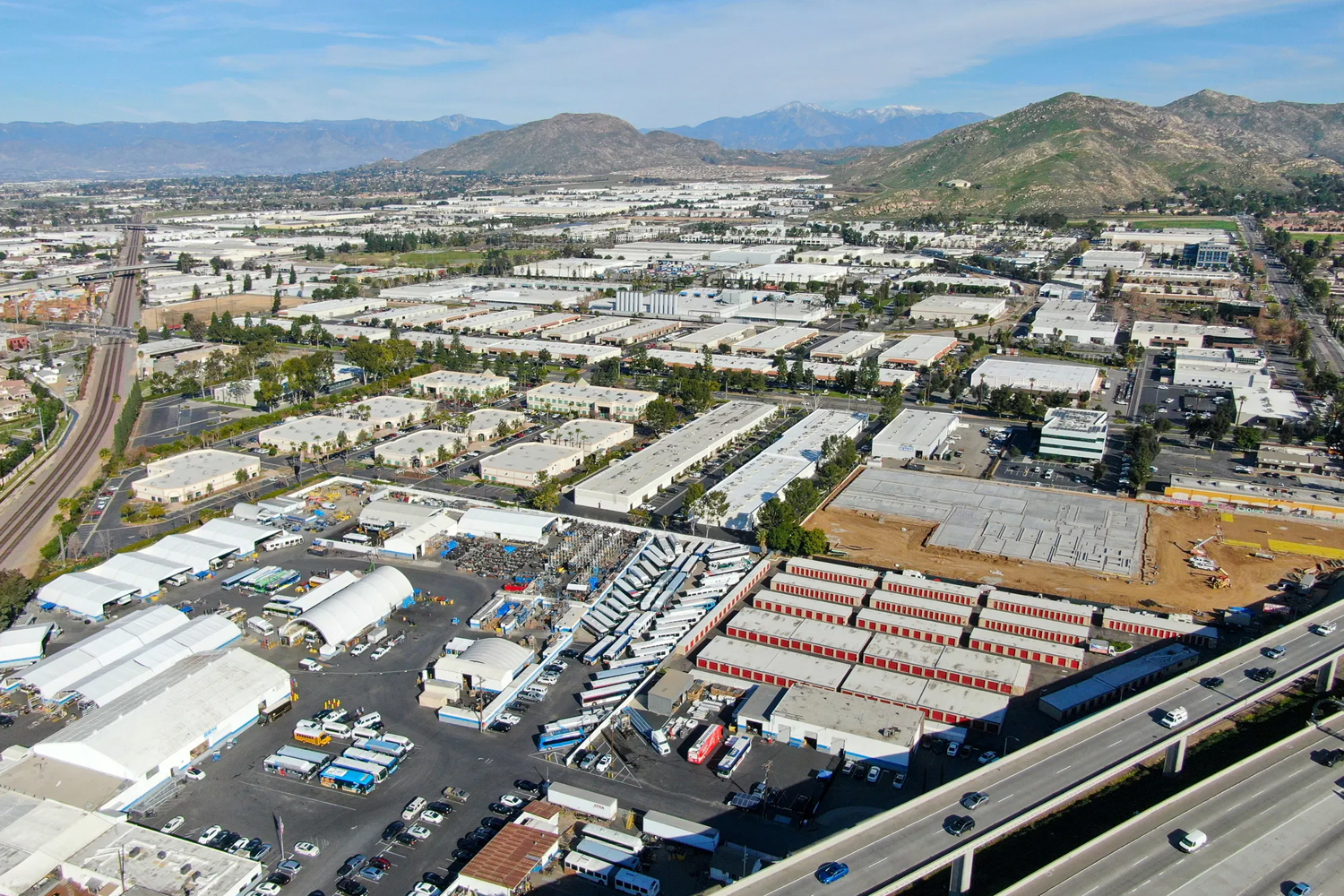
Recently, California signed Assembly Bill 98 into law. Specifically, it establishes new siting and design standards. Ultimately, these new California warehouse regulations aim to shield nearby residents from heavy pollution and traffic. Indeed, this move targets the environmental and health impacts of logistics hubs. These hubs currently operate in major industrial corridors across the state. However, environmental advocates argue the law falls incredibly short. Ultimately, they believe it fails to protect vulnerable communities.
The Core Mandates of California Warehouse Regulations
Beginning in 2026, AB 98 will implement several strict restrictions on developments. Consequently, these rules will address pressing environmental and community concerns. For instance, the law requires commercial buildings to be set back from “sensitive sites.” Typically, these include everyday residential homes, schools, parks, and healthcare facilities.
Furthermore, strict rules apply to corporate developments larger than 250,000 square feet. Specifically, truck loading bays must be set back 300 feet in industrial zones. Meanwhile, they require a 500-foot setback in non-industrial zones. Additionally, new buildings must be situated along major roads. These roads must primarily serve commercial traffic. Therefore, this severely limits the ability of heavy-duty vehicles to route through local neighborhood streets.
Related: Is It Safe to Swim? How Beaches Stay Clean and Monitored
Protecting Residential and Sensitive Areas
Moreover, the legislation includes significant housing protections for everyday consumers. For example, a warehouse development might require the demolition of existing housing. If so, the commercial developer must replace each lost unit with two affordable housing units. Additionally, developers must provide displaced tenants with a full year of rent compensation.
Ultimately, these California warehouse regulations aim to limit exposure to pollution and traffic. They actively protect residential and sensitive areas. At the same time, they address the affordable housing crisis. They achieve this by mandating replacements for any housing lost to logistics developments.
The Debate: Are California Warehouse Regulations Sufficient?
However, environmental and public health advocates have expressed major concerns. Specifically, they worry the legislation still lacks sufficient protections. According to state air quality regulators, pollutant concentrations from distribution centers drop by 80% at a distance of 1,000 feet.
Unsurprisingly, this recommendation aligns with previous guidance from state authorities. In the past, they advised locating property lines at least 1,000 feet from homes, schools, and sensitive areas. Yet, AB 98’s setbacks are notably shorter than the recommended 1,000-foot distance. As a result, many environmental and community organizations are arguing against it. They claim the legislation enshrines inadequate standards. Consequently, these California warehouse regulations potentially leave residents exposed to harmful pollutants.
Related: Why California’s New Climate Reporting Laws Matter: SB 253, SB 261, and SB 252
Financial Implications for Local Municipalities
Furthermore, there are concerns about the severe financial burden of AB 98. For instance, it could require cities and counties to undertake expensive updates. Specifically, they must update their general plans and designated truck routes. Undoubtedly, these localized updates could cost millions. Therefore, this potentially results in a massive “unfunded mandate.” According to local leaders, this will stifle job growth and heavily strain city budgets.
Balancing Economic Growth and Environmental Justice
In conclusion, AB 98 reflects ongoing, complex challenges. It attempts to balance economic growth for corporate logistics hubs with public health. Simultaneously, it seeks environmental justice for everyday consumers.
Moving forward, environmental groups have signaled plans to continue advocating for stronger protections. Meanwhile, municipalities and developers must prepare to manage the legislation’s financial impacts. Ultimately, these new laws serve as a stark reminder for environmental law practitioners. Achieving meaningful environmental protections in legislative compromises remains incredibly complex. Furthermore, it is an ongoing, evolving battle.
Watch: Pro Tips to Protect Commercial Property Owners
Want to learn more? Watch this related video below:
About Us
The Law Office of Jennifer F. Novak Environmental Law represents property owners and businesses in environmental litigation and regulatory matters. Our practice focuses on soil and groundwater remediation, Clean Water Act citizen suits, compliance with Water Board orders (including under Sections 13304 and 13267), and other environmental legal challenges. We provide strategic counsel to clients navigating complex environmental regulations while ensuring fairness in enforcement and compliance.
For dedicated legal representation in environmental litigation and compliance, contact The Law Office of Jennifer F. Novak Environmental Law.