Table of contents: Are You Drinking Microplastics? Drinking Water Contamination Laws Explained
By: Jennifer F. Novak
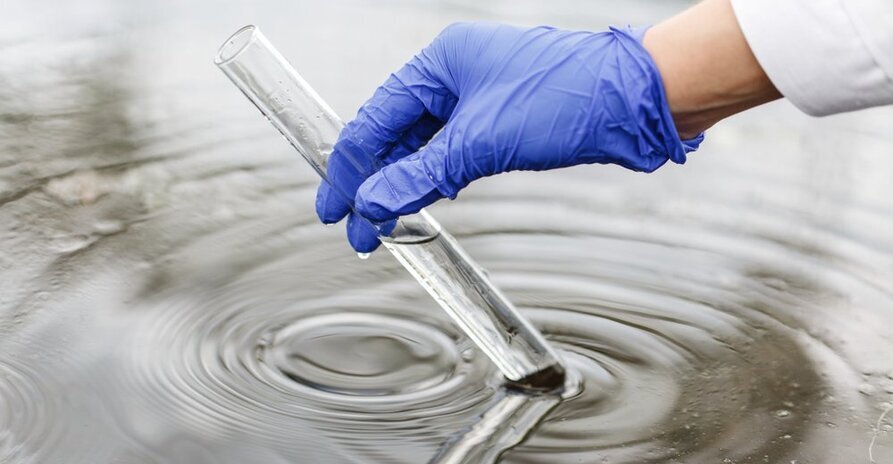
Health experts tell us to drink enough water daily to keep ourselves healthy. At the same time, we read more and more articles about **microplastics in drinking water**. Microplastics represent tiny pieces of plastic measuring less than 5mm in size. Currently, researchers find them in water sources around the entire world. Consequently, these particles appear in remote locations, tap water, and bottled water alike.
Understanding the Sources of Microplastics in Drinking Water

First, we must understand how these particles enter our supply. The sources of **microplastics in drinking water** remain incredibly diverse. They include:
- Urban runoff: Plastic debris enters waterbodies through street and drainage runoff.
- Wastewater treatment: Treatment plants often fail to filter out plastic particles effectively.
- Plastic packaging: Bottling companies sometimes cause contamination when they package water.
- Atmospheric deposition: Furthermore, plastic particles travel through the air and land directly in water bodies.
- Natural degradation: Finally, larger items like bottles or bags break down into much smaller pieces over time.
Related:Microplastics in Water: What’s Next in Legislation?
Assessing Health Risks and Current Regulations
Understandably, the presence of **microplastics in drinking water** concerns many people. However, current research suggests that the detected levels remain generally low. Therefore, scientists do not consider them an immediate health risk based on current knowledge. Currently, health experts lack universally agreed-upon guidelines specifically for plastics in our water supply.
Typically, regulatory agencies set strict limits for specific contaminants based on their known health effects. Because this issue represents a relatively new area of concern, regulators lack sufficient data to establish specific legal limits.
California’s Leadership in Data and Research
Meanwhile, California actively leads the effort to gather more data about our local systems. Simultaneously, researchers continue studying the potential long-term effects of human exposure. As this crucial research progresses, regulatory agencies will likely develop specific guidelines for **microplastics in drinking water**.
The Emerging Legal Landscape for Plastics
In the meantime, some states and private citizens proactively use the legal system. They actively hold plastics producers and bottlers responsible for contamination. However, we have not yet seen the same legal traction in these cases as we see with other emerging contaminants like PFAS.
As scary as this sounds, you must note that the detected levels remain quite low. Moreover, scientists are finally conducting the necessary long-term studies. Consequently, the issue of **microplastics in drinking water** will remain in the news and at the forefront of environmental law for years to come. Ultimately, our firm will continue to provide legal updates here as the situation evolves.
About Us
The Law Office of Jennifer F. Novak provides strategic environmental law representation for property owners and businesses. We specialize in environmental litigation and regulatory compliance, focusing on soil and groundwater remediation, Clean Water Act citizen suits, and Water Board orders (Sections 13304 & 13267). We protect your interests by navigating complex regulations and ensuring fair enforcement.
Contact us today for dedicated environmental legal counsel.