Table of contents: FEMA, NOAA, and Project 2025: Disaster Response Shifts
By: Nichole Fandino
The Crucial Roles of FEMA and NOAA
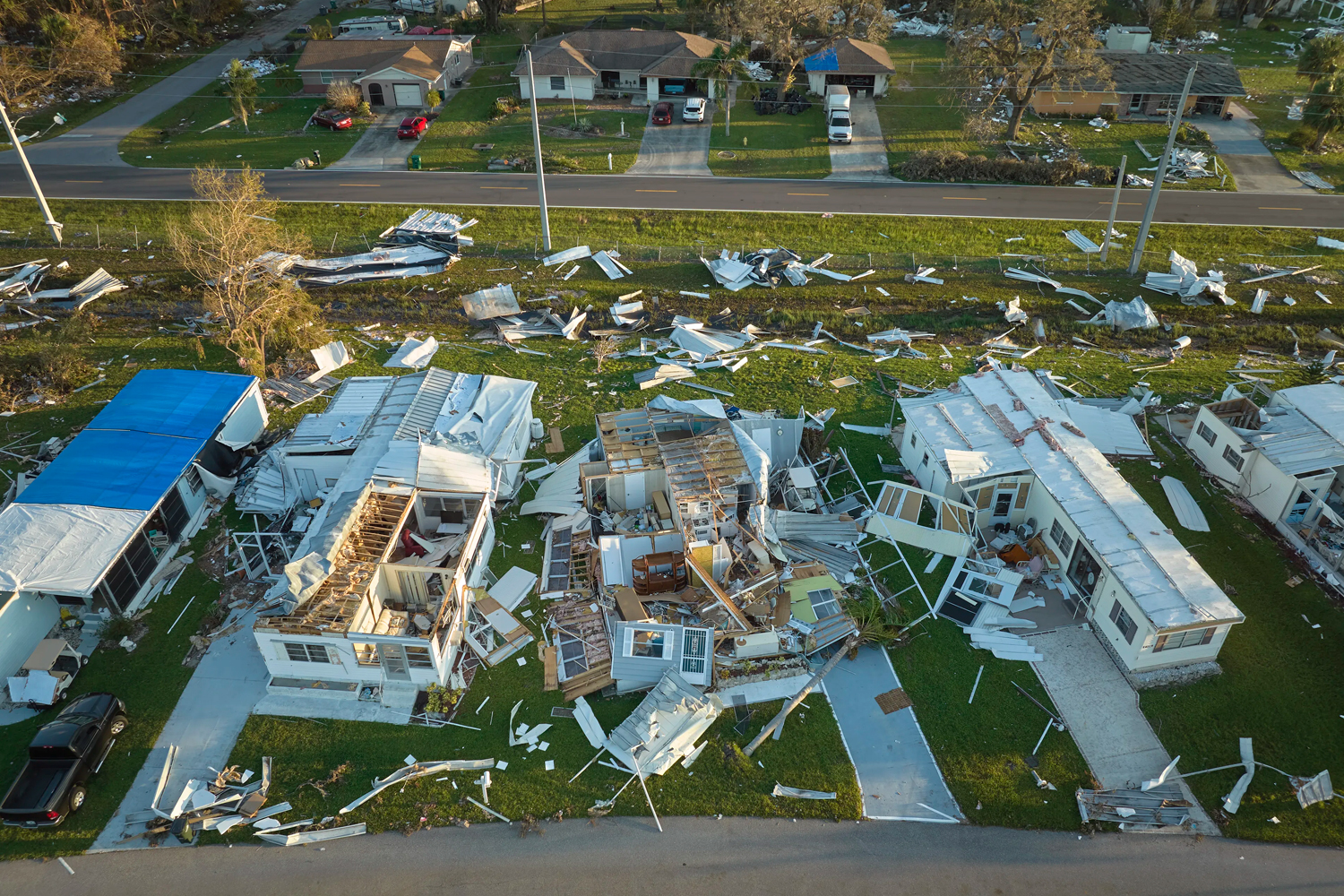
To begin with, the current federal disaster policy relies heavily on two agencies. FEMA and NOAA play crucial roles in addressing natural disasters. Specifically, they manage both preparation and response strategies. Recently, the United States has experienced dozens of extreme weather events annually. Furthermore, each event often causes damages well over $1 billion. Despite this fact, these agencies face intense scrutiny. Some groups actively advocate for heavily reduced government expenditure. Consequently, they want less spending on climate change mitigation and disaster preparedness.
Moreover, FEMA provides essential financial support for disaster recovery. It significantly covers the costs associated with such events. For example, after recent catastrophic hurricanes, FEMA allocated over $1.2 billion in aid. As a result, this assisted thousands of commercial businesses and residential households. Additionally, FEMA supports disaster preparation through SAFER grants. These grants fund fire departments directly. Therefore, they help communities maintain trained, “front line” firefighters. Since its creation, SAFER has made hundreds of awards. These awards total hundreds of millions of dollars.
Related: Civil Litigation vs. Environmental Law: Key Differences
Proposed Shifts in Federal Disaster Policy
Recently, new proposals have introduced controversial ideas regarding federal disaster policy. These ideas aim to significantly reduce FEMA’s financial involvement. Specifically, they target both disaster recovery and preparation assistance. Rather than acting as a “first responder,” FEMA might change roles. These proposals suggest FEMA would only provide limited support for states. Alternatively, it could be removed from this area entirely. Ultimately, this shift would force state and local governments to adapt. They would need to mount a response alone, rather than relying on federal help.
Privatization and the Insurance Market
In addition, proposed federal disaster policy changes suggest privatizing FEMA’s work. For instance, FEMA currently provides almost all U.S. flood insurance coverage. Furthermore, it has paid tens of billions for property repairs. However, new frameworks call for removing this federal program completely. They want private insurance companies to provide this service instead. Yet, private insurers might avoid entering this high-risk market. Moreover, covering everyday consumers and corporate entities could prove too costly. In short, this transition seems highly unlikely in today’s volatile insurance environment.
Related: The Delta Smelt and the Los Angeles Fires, Part One
What This Means for Disaster Response
In conclusion, proposed cuts to FEMA raise critical questions. How will a shifting federal disaster policy impact our local responses? Additionally, how will these changes affect our ability to forecast and recover? Natural disasters pose increasing challenges every single year. Therefore, reflecting on these agencies is incredibly important. It may prompt businesses and property owners to reconsider disaster preparedness. Ultimately, we must prepare for an era of escalating climate events.
Watch: Planning For Environmental Regulation
Want to learn more? Watch this related video below:
About Us
The Law Office of Jennifer F. Novak Environmental Law represents property owners and businesses in environmental litigation and regulatory matters. Our practice focuses on soil and groundwater remediation, Clean Water Act citizen suits, compliance with Water Board orders (including under Sections 13304 and 13267), and other environmental legal challenges. We provide strategic counsel to clients navigating complex environmental regulations while ensuring fairness in enforcement and compliance.
For dedicated legal representation in environmental litigation and compliance, contact The Law Office of Jennifer F. Novak Environmental Law.