Sustainable Urban Development in California: Environmental review, permitting, and practical planning for owners and developers
A development project can make good sense for a community and still face difficult environmental questions. In California, owners and developers may need to address land use approvals, climate goals, water and air impacts, and conditions left by a property’s earlier uses. The earlier those issues come into focus, the more room a project team has to respond without costly changes late in the process.
This article looks at the legal considerations that commonly arise in sustainable urban development and the steps that can help a project move forward with a clearer understanding of its risks.
Start with the approvals a project needs
California’s environmental rules do not operate in isolation. A city or county may review a project’s land use and zoning, while an air district, water board, or other agency has authority over a separate part of the work. Regional transportation and climate plans may also shape local decisions. Identifying those requirements at the outset helps the team understand who must approve what, and in what order.
The California Environmental Quality Act (CEQA) is often central to that process. When CEQA applies, the lead agency evaluates a project’s potential environmental effects and selects the appropriate review path. The answer depends on the project and the applicable exemptions or streamlining provisions; it cannot be assumed from a project’s size or sustainability features alone.
Existing buildings can raise the same questions. A major renovation, adaptive reuse project, or infrastructure upgrade may call for environmental review, even when no new building is proposed. The scope of the work and the approvals required matter more than the label attached to the project.
How state goals meet local decisions
State climate policy provides the broader direction, but many consequential decisions happen locally. Cities and counties make choices about zoning, housing, transportation, public works, and project conditions. California’s Sustainable Communities and Climate Protection Act, commonly called SB 375, connects regional transportation planning with greenhouse gas reduction goals. General plans and local climate policies can add another layer of requirements or opportunities.
A proposal that supports transit use, conserves water, or improves an existing site may fit those goals well. That alignment can strengthen a project, but it does not replace the need to examine its specific impacts, permits, and local rules. Counsel and technical consultants can help determine which review process actually applies.
Build environmental issues into the design
Sustainability measures work best when they are considered while the project can still change. Stormwater capture, efficient building systems, permeable surfaces, and transportation access may address both environmental concerns and applicable permit conditions. Their value depends on the site, the local code, and the agencies involved.
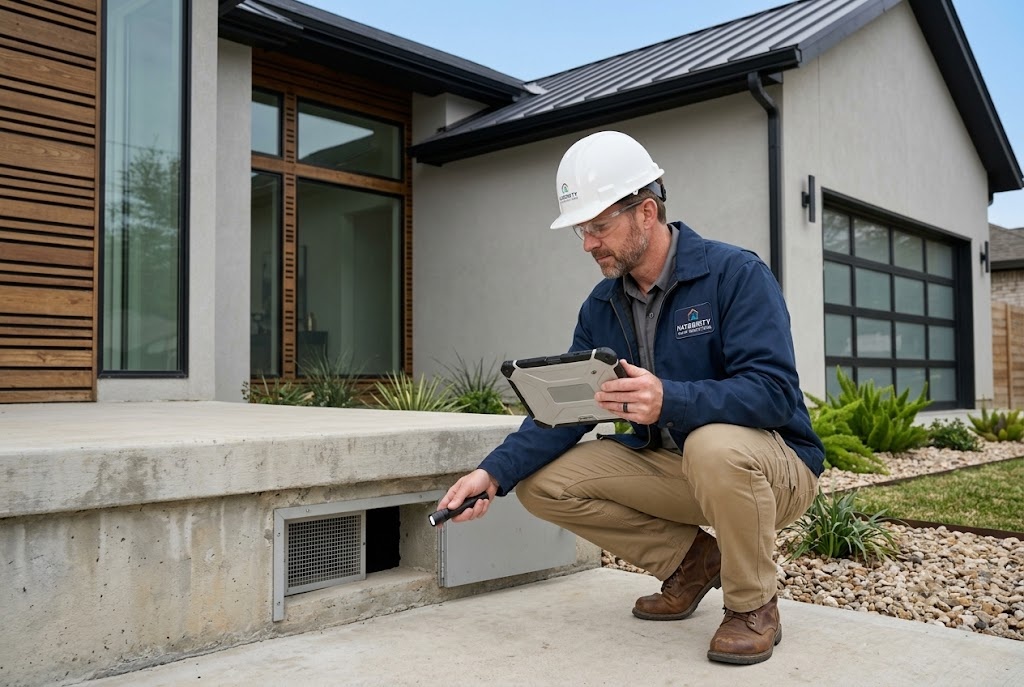
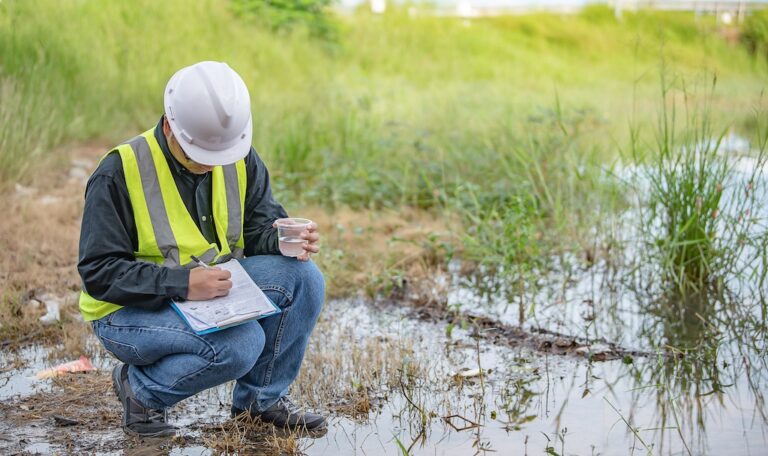
Infill and adaptive reuse projects deserve particular attention. A former industrial or commercial property may have soil or groundwater contamination, hazardous materials, or aging infrastructure. Site assessment and cleanup obligations can affect financing, construction schedules, and the allocation of responsibility among parties. Where the Department of Toxic Substances Control or another agency is involved, the team should understand that agency’s role before committing to a timetable.
Bring the community into the process
Neighbors often know how a site functions day to day: where traffic backs up, where flooding occurs, and how construction might affect nearby homes or businesses. Listening early can reveal design problems that are easier to solve before plans are final. It also creates a record of the concerns raised and the project team’s response.
Environmental justice considerations may be especially significant in communities already burdened by pollution. California law requires certain jurisdictions to address environmental justice in their general plans. A project-specific review should examine the site and the applicable local planning documents rather than rely on broad assumptions about a neighborhood.
A practical way forward
Before substantial design or acquisition costs are incurred, owners and developers can ask four questions:
- What approvals and environmental review may be required, and which agency leads each process?
- Does the property have contamination, hazardous materials, or other conditions that need investigation?
- Could changes to infrastructure, stormwater systems, or site use trigger additional permits or conditions?
- Which community concerns could affect the design or schedule?
No amount of planning guarantees an approval or prevents a dispute. It can, however, give the project team a more realistic schedule, a better record, and more choices when an issue arises.
Frequently asked questions
Does a sustainable project still need CEQA review?
Possibly. Environmental benefits can inform the analysis, but the review path depends on the approvals sought, the project’s impacts, and any applicable exemption or streamlining provision.
Can renovations or adaptive reuse trigger environmental review?
Yes. Work on an existing property can require discretionary approvals and environmental review. A project team should evaluate the actual scope of work before assuming an existing building is exempt.
Why investigate contamination early?
Contamination can affect design, construction, financing, cleanup responsibilities, and timing. Early assessment gives the parties more time to evaluate options and allocate risk.
How can community input help?
Early input can identify local concerns that plans have missed. A thoughtful response may improve the design and create a clearer record for agency review.
If you are planning a California development or reuse project, environmental counsel can help identify the agencies, approvals, and property conditions that warrant attention before they become schedule problems.